Minimising Scarring after Breast Surgery

Minimising Scarring after Breast Surgery

Breast surgery can be performed for various reasons, ranging from cosmetic enhancements such as augmentation mammoplasty and lift mastopexy, to medical necessities like mastectomies or lumpectomies for breast cancer treatment. While these procedures can offer many beneficial outcomes, they often leave behind scars that can cause physical discomfort or distress. In many cases, scars can make the recovery journey more challenging. Fortunately, several strategies can help reduce the visibility and impact of these scars, enhancing the overall results of the surgery.

Specialist Plastic Surgeon Dr Jeremy Hunt has devoted his career to helping patients achieve the aesthetic outcomes they desire. He understands the physical and emotional toll that scars may impose. Dr Hunt’s compassionate care extends to all his patients, providing them with the information and support they need to confidently navigate their recovery journey.

Download Dr Hunt’s Guide to Breast Surgery

Standard Breast Surgery

Types of Breast Surgery Procedures

There are many types of breast surgery procedures, each with its own potential for scar formation. Breast Augmentation Mammoplasty involves placing implants to increase breast size, which can result in scars either around the nipple, under the breast crease, or in the armpit.

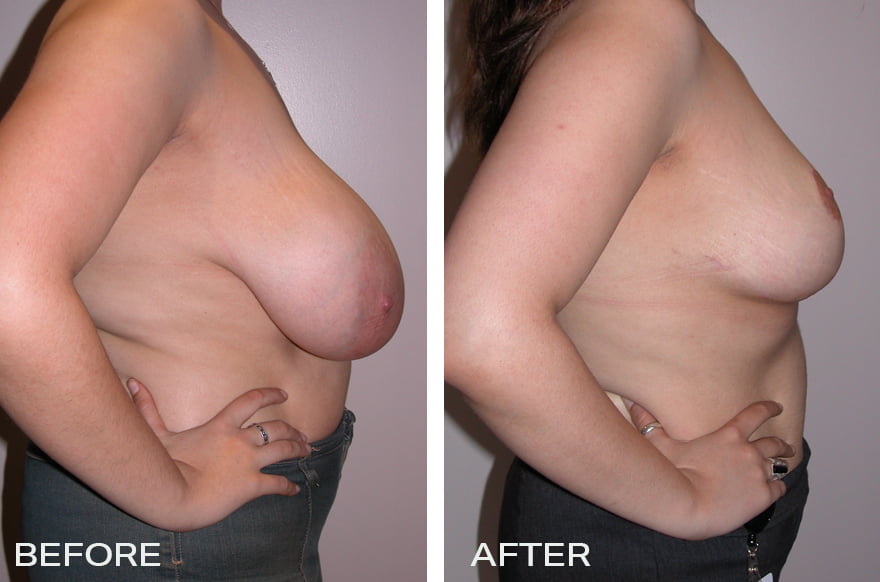
Breast reduction mammoplasty surgery is performed with the aim to reduce the size of large breasts, with scars forming around the nipple and down the lower portion of the breast.

A breast lift mastopexy procedure is performed to raise sagging breasts, and it commonly leaves a scar around the nipple, vertically down to the breast crease and along the crease itself.

For women who’ve undergone a mastectomy due to breast cancer, breast reconstruction surgery can be an option. This procedure often leaves scars, but their location can vary depending on the specific surgical technique used.

Surgical Approaches and Incisions for Breast Surgery

The type and location of incisions made during breast surgery significantly influence the appearance of scars. Some common surgical approaches include:

  • Periareolar incision: An incision made around the edge of the areola, which is often used in breast augmentation mammoplasty, reduction mammaplasty, and lift mastopexy surgeries
  • Inframammary incision: An incision made in the crease under the breast, often used in augmentation mammoplasty and reconstruction surgeries
  • Transaxillary incision: This type of incision is made in the armpit, used primarily for breast augmentation mammoplasty
  • Vertical or “lollipop” incision: Used in breast reduction mammaplasty or lift mastopexy surgeries, it involves an incision around the areola’s edge that goes down vertically to the breast crease
  • Wise pattern or “anchor” incision: Often used in very large breast reduction mammaplasty or in mastopexies where the breast is extremely ptotic. The incision lies around the areola, vertically down the front of the breast and horizontally in the breast crease.

Factors Influencing Scar Formation

Scar formation after breast surgery can be influenced by various factors:

  • Genetic predisposition: Some individuals are naturally prone to form more noticeable hypertophic or keloid scars
  • Surgical technique: The plastic surgeon’s skill and the chosen surgical method can impact scar visibility
  • Post-operative care: How well you care for the wound after surgery can significantly influence scar formation
  • Lifestyle factors: Smoking and exposure to sun can exacerbate scar formation
  • Nutrition: Good nutrition is vital for proper wound healing and minimising scar tissue formation

How to Prepare For Breast Surgery to Prevent Visible Scars after Surgery

Preparing for breast surgery with the aim of minimising visible scars is an essential part of your surgical journey. Here are some steps you can take:

  1. Choose an experienced surgeon: Choosing an experienced surgeon is crucial. They should have extensive knowledge of the best surgical techniques to minimise scarring and of proper wound care post-surgery
  2. Discuss the surgical approach: Talk to your surgeon about the type of incisions they plan to make
  3. Quit smoking: If you are a smoker, it’s highly recommended to quit at least a few weeks before the surgery. Smoking/vaping can slow down your recovery and increase the risk of visible scarring
  4. Preoperative consultation: Discuss with your surgeon any concerns you have about scarring, and learn about the strategies that can be implemented both during and after surgery to minimise scars

Download Dr Hunt’s Guide to Recovery

Rapid Recovery

What to Avoid After Breast Surgery to Minimise Scars

Postoperative care is just as important as preoperative preparation when it comes to minimising scars after breast surgery. Here are some things to avoid to ensure the best possible outcome:

  • Avoid stress on the incision site: Avoid any activities that could put stress or strain on the incision site, especially in the early recovery phase. This includes heavy lifting, rigorous exercise, and stretching movements that may pull at the sutures
  • Don’t smoke: Smoking/vaping can significantly hinder the healing process and lead to worse scarring. It’s crucial to avoid smoking/vaping for several weeks post-surgery
  • Avoid sun exposure: Protect your scars from the sun, as UV radiation can darken scars and make them more noticeable. If you need to go outside, wear protective clothing, or apply a strong SPF sunscreen to the scar area once it has fully healed
  • Avoid picking at scabs or stitches: Picking at scabs or stitches can interrupt the healing process and potentially lead to worse scarring. If your stitches are causing discomfort, consult your surgeon rather than trying to handle it yourself
  • Don’t neglect proper nutrition: Continue to eat a diet rich in nutrients that support healing and healthy skin
  • Avoid dehydration: Keeping your body and skin hydrated can support the healing process, so try to avoid becoming dehydrated
  • Avoid swimming and baths: Soaking your incisions in water can lead to infection and negatively impact wound healing. Stick to showers until your surgeon gives you the go-ahead
  • Avoid alcohol: Excessive alcohol can impair wound healing, and can also interact with post-surgical medications. It’s best to limit or avoid alcohol in the weeks following surgery

Surgical and Non-surgical Scar Reduction Methods

Several surgical and non-surgical methods can be utilised to reduce scars post breast surgery:

Surgical methods include scar revision surgery, where the surgeon removes the scar and re-closes the wound, and fat grafting, which involves injecting small amounts of fat into the scar to minimise its appearance. The surgical methods to reduce or modify the appearance of scars can vary, depending on the type, location, and age of the scar, as well as other factors like the patient’s health and lifestyle. Here are two common surgical techniques:

  • Scar Revision Surgery

In this process, the existing scar is surgically removed, and the skin is re-sutured to heal in a less noticeable fashion. This can be done through a few different techniques.

  • Fat Grafting

Fat grafting, also known as fat transfer or lipofilling, can help improve the appearance of depressed or atrophic scars. This procedure involves collecting a small amount of fat from another part of the body (like the abdomen or thighs), processing it, and then injecting it into the scar area. The injected fat can help elevate the depressed scar, making it level with the surrounding skin surface and thus less noticeable. In addition, fat grafting can also help improve the scar’s texture and colour, making it blend better with the surrounding skin.

Non-surgical methods include:

  • Topical treatments: Creams, gels, and silicone sheets can help in reducing scar visibility. Silicone sheets or gels are particularly effective as they keep the scar hydrated and protect it from excess sunlight, enhancing healing and minimising scar formation
  • Laser therapy: This treatment can reduce scar thickness and redness. The laser breaks down scar tissue and stimulates the body’s healing process, leading to the formation of healthier skin
  • Steroid injections: These are used for hypertrophic or keloid scars and can help reduce their size and alleviate discomfort
  • Massage: Gentle scar massage can help break down scar tissue and improve flexibility, especially in raised or thickened scars

Remember, the most suitable scar reduction method depends on the type of scar. Therefore, it is always best to consult a medical professional or a trained plastic surgeon like Dr Jeremy Hunt for personalised advice on scar reduction. They can guide you through the process, ensuring you understand the expectations and results of each method.

drhunt blogpage img Minimising Scarring after Breast Surgery - 1

FAQs about Scars after Breast Surgery

When is scar revision surgery needed?

  • Scar revision surgery is usually considered when a scar causes physical discomfort or restricts movement, when the scar is aesthetically displeasing or causes distress, or when non-surgical methods have not been effective. Scars that have healed in a way that is noticeably misaligned with the skin’s natural tension lines, keloid scars (which are raised and extend beyond the original wound), or hypertrophic scars (which are thick and raised, but do not extend beyond the original wound) can often benefit from scar revision surgery.

Can scars from breast surgery be completely eliminated?

  • While the goal of scar management strategies is to make scars as unnoticeable as possible, it’s important to remember that scars are a natural part of the body’s healing process. As such, they cannot be completely eliminated. Surgical and non-surgical methods can significantly reduce the appearance of scars, making them less noticeable and more aesthetically pleasing. The results vary depending on the individual’s healing capabilities, the location and type of the scar, and the treatment method used.

How long does it take for breast surgery scars to heal?

  • Healing times for breast surgery scars vary from one patient to the other. In most cases, initial wound healing occurs within 2 weeks, during which time the incision site should be carefully protected. Over the next few months, the scar will typically become darker and harder – this is a normal part of the healing process. Over the next 1 to 2 years, the scar will usually soften and fade, although it may not completely disappear.

What are my options to get rid of scars after breast surgery?

  • You have several options to manage scars after breast surgery. Topical treatments such as silicone sheets and creams, and injectable treatments like corticosteroids, can be used. For more noticeable scars, laser therapy or microneedling can be beneficial. Surgical options, such as scar revision surgery or fat grafting, may be considered for more severe or problematic scars.

Can natural remedies help reduce scars?

  • Natural remedies can sometimes help with scar management, although their efficacy varies and they are typically less effective than medical treatments. Aloe Vera is known for its healing properties and can soothe the skin and reduce inflammation. Vitamin E oil, when massaged into the scar, can help improve the scar’s elasticity and appearance.

Further Reading about Breast Surgery with Dr Hunt

Medical References about Breast Surgery and Scars

About Dr Jeremy Hunt – Specialist Plastic Surgeon

Dr Jeremy Hunt

Dr Jeremy Hunt is a specialist plastic surgeon and a member of FRACS & ASPS. He has over 20 years of experience providing plastic surgery in Sydney.

The one-on-one service and attention to detail from Dr Hunt, has ensured that thousands of women and men from the Sydney & Wollongong NSW area and across Australia have received high quality surgical care.

Dr Hunt’s qualifications and education

Dr Jeremy A Hunt MBBS FRACS graduated with a Bachelor of Medicine degree from Sydney University in 1990 and is a Fellow of the Royal Australasian College of Surgeons and member of ASPS – the Australian Society of Plastic Surgeons. He completed a Fellowship at the prestigious University of Texas in the United States, where he learnt from some of the world’s very best plastic surgeons.

Next Step – Make an Enquiry or Request a consultation with Dr Hunt

Would you like more information before scheduling your consultation?

Any surgical or invasive procedure carries risks. Before proceeding, you should seek a second opinion from an appropriately qualified health professional.
Understanding the Risks and Potential Side Effects of Breast Reduction Mammoplasty Surgery

Understanding the Risks and Potential Side Effects of Breast Reduction Mammoplasty Surgery

Breast reduction mammoplasty surgery is a procedure performed for both aesthetic and functional purposes. Having smaller breasts that are more proportional to the rest of the body is achievable with this procedure. While it produces good results for many people, as with any surgery, there are potential risks and complications. In this blog, we will discuss the most common breast reduction mammoplasty complications that patients may experience, including both short-term and long-term issues.

Sydney Specialist Plastic Surgeon Dr Jeremy Hunt performs breast reduction mammoplasty procedures and a range of breasts, face and body procedures.

Download Dr Jeremy Hunt’s Guide to Breast Reduction Mammoplasty

Breast Reduction

What Is Breast Reduction Mammoplasty Surgery?

Breast reduction mammoplasty surgery is a medical procedure that aims to reduce the size of a woman’s breasts. This surgery is typically performed to alleviate physical discomfort caused by breasts that are overly large. The procedure involves removing excess breast tissue, fat, and skin and is often recommended for women who experience back, neck, or shoulder pain, as well as for those who have difficulty finding properly fitting bras, clothing, or participating in physical activity.

During the breast reduction mammoplasty surgery, your surgeon will make incisions in the breast tissue and remove the excess tissue and skin. The nipple and areola will also be repositioned. The surgery usually takes between two to four hours and is performed under general anaesthesia. Recovery time varies depending on the patient and the extent of the surgery, but most women can expect to return to work within a week or two.

It is important to choose a specialist plastic surgeon with experience in breast reduction mammoplasty surgery to ensure the best possible outcome. Patients should also be aware that scarring is a normal side effect of the procedure, although incisions are often placed in areas that are hidden by clothing. If you are considering breast reduction mammoplasty surgery, it is important to discuss the risks and benefits with your surgeon and to have realistic expectations for the results.

Potential Complications of Breast Reduction Mammoplasty Surgery

As with any surgical procedure, there are potential risks and complications to be aware of with breast reduction mammoplasty. Some common complications of this procedure may include pain, swelling, bruising, changes in nipple sensation or position, scarring, and wound healing issues. In rare cases, more serious complications such as infection, bleeding, blood clots, or problems with anaesthesia can occur. There is also a risk of damage to the milk ducts or glands, which can affect breastfeeding. It’s important to discuss these potential risks with your surgeon before the procedure and to follow all post-operative instructions carefully to minimise the risk of complications. In case you experience any concerning symptoms after surgery, contact your surgeon immediately.

Haematoma and Seroma

Haematoma and seroma are potential complications that can occur after breast reduction mammoplasty surgery. A haematoma is a build-up of blood that forms under the skin and can cause swelling, pain, and discomfort. A seroma is a collection of fluid that can accumulate in the area where the breast tissue was removed. Seroma and haematoma can occur due to bleeding during surgery or from blood vessels that continue to bleed after the surgery. Treatment may involve draining the fluid or blood from the affected area and taking steps to prevent further bleeding or fluid accumulation. In some cases, a surgery may be necessary to remove the haematoma or seroma. It’s important to follow all post-operative instructions carefully and to report any concerning symptoms to your surgeon immediately to minimise the risk of these complications.

Infection

Infection can occur after breast reduction mammoplasty surgery. While the risk of infection is relatively low, it’s important to be aware of the signs and symptoms in case they occur. Symptoms of infection can include redness, swelling, warmth, tenderness, and drainage or pus from the incision site. In some cases, fever and chills may also be present. Infections can occur due to bacteria entering the incision site during or after surgery, and can be more common in patients who have other medical conditions or who smoke. Treatment may involve antibiotics, drainage of any fluid or pus, and careful monitoring to prevent the infection from spreading. Make sure to report any concerning symptoms to your surgeon immediately, as early treatment may help prevent more serious complications from occurring.

Delayed Wound Healing

Delayed wound healing is another potential complication that can occur after breast reduction mammoplasty surgery. It happens when the incision site takes longer than usual to heal, leaving a larger scar or causing other problems such as infection. Several factors can contribute to delayed wound healing, including poor blood flow to the incision site, infection, smoking, obesity, and other medical conditions such as diabetes or autoimmune disorders. In some cases, the surgeon’s techniques or post-operative care may also contribute to delayed wound healing. Patients can minimise their risk of this complication by keeping the incision site clean and dry, avoiding smoking and other factors that can impair healing, and staying in close communication with their surgeon if any concerning symptoms develop.

Changes in Nipple Sensation

Changes in nipple sensation are a common occurrence after breast reduction mammoplasty surgery. This can happen because the surgery involves removing breast tissue and repositioning the nipple. As a result, the nerves that supply sensation to the nipple may be damaged or cut during the procedure. In some cases, the nipple may become numb or lose sensation completely. In other cases, patients may experience increased sensitivity or tingling sensations. While these changes in sensation can be concerning, it’s important to note that they are usually temporary and tend to improve over time as the nerves heal. In rare cases, permanent changes in nipple sensation may occur.

Breast Asymmetry Correction

Breast Asymmetry

Breast asymmetry is a potential complication that can occur after breast reduction mammoplasty surgery. This happens when one breast appears larger or different in shape or position than the other. There are several factors that can contribute to breast asymmetry after surgery, including variations in the amount of breast tissue removed from each breast, differences in the way that each breast heals and responds to surgery, and differences in the natural shape and position of each breast before surgery.

Scarring

Scarring is an inevitable consequence after any surgical intervention. The extent of scarring depends on the technique used during the surgery and the individual’s healing process. In general, breast reduction surgery involves incisions around the areola, down the centre of the breast, and sometimes along the breast crease. Over time, these scars can fade and become less noticeable, but they may never completely disappear.

Loss of Breast Tissue

Loss of breast tissue is a rare complication that can occur after breast reduction mammoplasty surgery. This can happen when the blood supply to the remaining breast tissue is compromised during the surgery, leading to tissue death. The risk of this complication is higher in patients who smoke or have poor circulation. It can also occur if too much breast tissue is removed during the surgery.

The loss of breast tissue can occur immediately after surgery or several months later during the healing process.

Nerve Damage

The nerves that supply sensation to the breasts can be damaged during the surgery, leading to numbness or altered sensation in the breast, nipple, or areola. The extent of nerve damage depends on the technique used during the surgery, the amount of breast tissue removed, and the patient’s healing process. In some cases, the nerve damage may be temporary and resolve on its own within a few weeks or months. However, in other cases, the damage may be permanent and result in chronic numbness or altered sensation.

Download Dr Jeremy Hunt’s Guide to Recovery

Rapid Recovery

How to Reduce the Risk of Breast Reduction Mammoplasty Complications?

Breast reduction mammoplasty surgery can present many benefits for suitable candidates, but like any surgery, it carries some risks. However, there are steps that you can take to reduce the risk of complications and encourage a successful recovery.

  • It is important to choose a qualified and experienced surgeon who is experienced in performing breast reduction mammoplasty procedures. You should research the surgeon’s credentials and reputation, and schedule a consultation to discuss the procedure and any potential risks.
  • You should also disclose your full medical history, including any underlying health conditions, medications, and supplements, to the surgeon. This information can help the surgeon determine if you are a good candidate for the procedure.
  • Prior to the surgery, you should follow the surgeon’s preoperative instructions carefully, which may include stopping certain medications, avoiding smoking and alcohol, and maintaining a healthy diet and exercise routine.
  • During the recovery period, you should follow the surgeon’s postoperative instructions, including taking any prescribed medications, wearing a supportive bra, and avoiding strenuous activities and heavy lifting for several weeks.
  • It is also important to attend all follow-up appointments with the surgeon to monitor the healing process and detect any potential complications early on.

drhunt blogpage img Understanding the Risks and Potential Side Effects of Breast Reduction Mammoplasty Surgery - 2

FAQs about Breast Reduction Mammoplasty Complications

Are there common problems after breast reduction mammoplasty surgery?

  • Common problems after breast reduction surgery may include pain, swelling, bruising, changes in sensation or nipple position, scarring, and wound healing issues. In rare cases, complications such as infection, bleeding, blood clots, or problems with anaesthesia can occur.

What is and isn’t normal after breast reduction mammoplasty?

  • The recovery after breast reduction can vary depending on the individual and the specific surgical techniques used. However, some common experiences after breast reduction mammoplasty surgery include swelling, bruising, discomfort, changes in sensation, and drainage from the incision site. It is normal to have some degree of asymmetry or unevenness in the breasts immediately after surgery, but this should improve with time as the healing process progresses. You should seek medical assistance if you experience any signs of infection.

What percentage of breast reduction mammoplasties have complications?

  • The percentage of breast reduction mammoplasties that have complications can vary depending on various factors. However, studies have reported complication rates ranging from 2-20%.

How long does it take for a breast reduction mammoplasty to fully heal?

  • The healing time after breast reduction mammoplasty surgery is different from one patient to the other, but it generally takes several weeks to several months for the breasts to fully heal. Patients may be able to return to work and other normal activities within a few weeks after surgery, but should avoid strenuous exercise and heavy lifting for several weeks.

How long should I wear my surgical bra after breast reduction mammoplasty?

  • The length of time that a surgical bra should be worn after breast reduction mammoplasty surgery can also vary depending on the individual and the surgeon’s instructions, but it is typically recommended to wear the surgical bra for several weeks after surgery to help support the breasts during the healing process. Patients may also be advised to wear a soft sports bra or compression garment during the day for several weeks after the surgical bra is no longer needed. It’s important to follow the specific instructions provided by your surgeon for optimal healing and recovery.

Further Reading about Breast Reduction Mammoplasty with Dr Jeremy Hunt

Medical References about Breast Reduction Mammoplasty Complications

Common Goals of Breast Surgery Patients

Common Goals of Breast Surgery Patients

There is no right or wrong when it comes to a person’s goals for breast surgery. Breast characteristics include breast symmetry, the size, natural shape, and breast and nipple position.

Of course, different people have different perceptions and opinions on what they want their breasts to look like, or what they may consider desirable. For some patients, it will be a fuller, rounder look and for others, it will be a smaller, more petite and athletic look. Each individual breast surgery patient will have a different surgical plan based on their own goals – what they desire as an individual.

Dr Jeremy Hunt is a specialist plastic surgeon performing breast cosmetic surgery. He performs different surgical techniques for breast augmentation mammoplasty, reduction mammoplasty, lift mastopexy, and reconstruction surgeries.

Guide to Breast Surgery

Standard Breast Surgery

Consultation About Your Goals

Process of consultation is the first step, and this would involve discussing with patients their expectations, so that the image that they have in their mind can be formulated into a surgical plan.

It may take multiple consultations and is often worthwhile for patients to bring images of what they desire the results to look like. It will also be important to think about your goals realistically and understand the risks and things that could go wrong.

Factors that will need to be considered will be the height of the patient, the weight of the patient, the width of their chest, their lifestyle and the length of their chest, as well as torso in terms of a ratio.

Anatomy Of the Breast

Your breasts are mainly made up of three types of tissue:

  • Glandular tissue: containing lobes and lobules that end in bulbs (glands) that can produce breast milk. The lobes, lobules, and bulbs are all connected by thin ducts
  • Fat tissue: the adipose tissue that gives your breasts their volume. The fat fills the spaces between your breast’s glandular tissue
  • Connective tissue: the tissue that holds your breast tissue together and gives your breasts their form

There are no muscles in the breasts. However, your breast tissues are organised on top of your chest wall muscles, known as the pectoral muscles. Hence, your breast on the inside has your breast fat, lobes, lobules, and ducts sitting on top of your chest’s muscles.

On the outside, almost in the centre of the breast, you have a pigmented circular area on the breast’s skin (areola) with the nipple.

The size, volume, and positioning of these different types of breast components give each breast its unique shape, form, and size.

What Are Common Patient Goals?

When you think of what you might want your breasts look like, a lot of things can pop into your mind. How big should the breasts be? How far apart? What’s the right breast shape? Where should the breasts sit on the chest?

There isn’t a right or wrong answer, and there isn’t just one component. A combination of different breast characteristics can give you breasts that you like.

A common desire is having 45% of the volume of the breast above the nipple and 55% of the volume below. This would give a gentle ramp from the top of the breast to the location of the nipple.

This though may not meet everyone’s expectations and different people will look for a different result.

Things that need to be considered would include breast symmetry, volume, shape, elevation and position on the chest.

· Breast symmetry

drhunt blogpage img Common Goals of Breast Surgery Patients - 3

A common desire of patients is for the breasts to be symmetrical. But breasts usually have some amount of natural asymmetry, which is completely normal.

The breasts can look asymmetric when one breast is larger than the other or when one sits further down than the other. Significant cases of asymmetry can be a motivation for breast surgery for some patients.

· The breast size

Many patients desire breasts that are not too big or too small for their bodies. What defines “too big” or “too small” is personal preference and will vary from person to person.

While some people may desire for a dramatic change in their breast size, others wish to achieve greater body proportion by either reducing overly large breasts or increasing very small breasts. It also depends on the natural body type of the patient.

For example, full and voluminous breasts might fit the body of women with wide shoulders and a broad waist. The larger breast size can often better complement the dimensions of such body types.

On the other hand, the same breast size may not be desired for someone with a petite figure and a narrow waist. The breasts could look oversized which may not be good if the person wants a breast size that looks proportionate to their frame.

Whatever your goals, an experienced surgeon can cater to your desired breast size.

· Breast shape

There are a lot of different types and shapes of breasts out there. You have the round, archetype, the bell-shaped, and many other breast shapes.

The natural shape of the breast resembles a teardrop; the breast tissue starts slightly thinner at the top and then gradually slopes into more fullness below the nipple.

· Elevation

Greater breast elevation is one of the things that is commonly desired in breast surgery patients, especially in the case of mastopexy (breast lift). Losing a lot of weight, giving birth, or simply growing older can cause laxity in the breast skin.

drhunt blogpage img Common Goals of Breast Surgery Patients - 3

· Breast position on the chest

Then there is the position of the breasts on the chest. Whether they are high, low, close together, or far apart. Most patients desire for their breasts to be positioned somewhere in the middle of the chest; not too high up but not too low either.

· Nipple position

One of the breast cosmetic concerns that many women have is the position of their nipples.

In some cases, the nipple can hang low on the breast or point downward; this is known as nipple ptosis. In other cases, nipples may be too far apart or too close to one another.

· Breast firmness

Goals for breast surgery isn’t just about how your breasts look, it’s also about how your breasts feel to the touch.

While firm breasts are a sign of youth and health, a lot of people also prefer the breast to feel soft. You can discuss breast firmness with your surgeon to determine what might work for you.

· Comfort

And last but not least, comfort. Good results are often what the patient feels most comfortable with. This means they’re not too heavy on your chest, don’t cause discomfort, and that they suit your standards and aesthetic goals.

Deciding on a Surgical Option

Dr Jeremy Hunt performs a variety of plastic and reconstructive breast surgeries that can change different breast features.

1. Breast augmentation Mammoplasty

drhunt blogpage img Common Goals of Breast Surgery Patients - 3

A breast augmentation mammoplasty surgery, is a cosmetic surgery done to alter the size and shape of the breasts.

This can be done using fat transfer or using an implant, be it silicone or saline and each individual patient has a decision-making process as to where the incision will be located for insertion of the breast prosthesis, whether the implant is located above or below the muscle, the shape of the implant could be round or teardrop shaped and the fill of the implant could be silicone or saline.

Ultimately, the volume of the implant can range extensively from 100 cc to 800 cc and each of these will have an impact on the final result that is achieved.

Your breast implants can be placed either above the muscle (subglandular implants) or under the muscle (submuscular implants). The placement of your implants can affect how your breasts end up looking.

2. Breast Lift Mastopexy

A breast lift or a mastopexy is another breast cosmetic surgery that can reshape your breasts without using implants.

If your breasts have enough volume but you’re concerned about their position or laxity, this procedure might help. It can also raise a low nipple position if required.

If there has been descent or drop in the height of the nipple, be it due to ageing, weight loss or potential changes with pregnancy, breastfeeding and childbirth, then a breast-lift mastopexy may be necessary to achieve the desired breast shape.

There are several mastopexy techniques, including:

  • Lollipop lift
  • Crescent lift
  • Donut lift
  • Anchor lift

3. Breast reduction Mammoplasty

Breast reduction surgery or reduction mammaplasty is a cosmetic procedure that can permanently reduce the size of excessively heavy breasts. For some patients this can involve the removal of back, neck and shoulder pain caused by excessively heavy breasts.

During a breast reduction mammoplasty surgery, Dr Hunt removes excess breast fat, glandular tissue, and skin to make your breasts look smaller and more proportional to the rest of your body. It can be a good option for some patients as it can relieve daily back, neck and shoulder pain and discomfort due to heavy breasts.

4. Breast reconstruction

Breast reconstruction surgery is a cosmetic surgery done to reshape the breasts and rebuild damaged breast tissue.

Dr Hunt performs reconstructive surgery of the breasts for patients with tuberous breast deformity and patients who’ve undergone breast cancer surgery.

Breast reconstruction can:

  • Restore the breast’s symmetry
  • Fix breast anatomical deformities
  • Give the breasts more volume
  • Alter the shape of the breasts
  • Reduce the size of enlarged areolas

Dr Hunt custom tailors each cosmetic breast surgery to make sure you end up with the breast features that suit both your body and aesthetic goals.

FAQs About Breast Surgery Goals

drhunt blogpage img Common Goals of Breast Surgery Patients - 3

How do you make lax breasts look good?

  • Breast laxity cannot generally be addressed without surgery. A breast augmentation mammoplasty or lift mastopexy can be suitable for people who want to reduce the appearance of breast skin laxity.

What to do if one breast is bigger than the other?

  • It’s normal for one of your breasts to have a slightly different size than the other. Breasts are hardly ever 100% symmetrical. However, if you’re concerned that one breast is visibly larger than the other, you might consider getting breast surgery. Asymmetrical breasts can be surgically altered by making one of the breasts smaller (breast reduction mammoplasty surgery) to match the other, or one of the breasts bigger (breast augmentation mammoplasty surgery) to match the size and shape of the other.

Further Reading about Breast Procedures

Medical References

About Dr Jeremy Hunt – Specialist Plastic Surgeon

Dr Jeremy Hunt

Dr Jeremy Hunt is a specialist plastic surgeon performing breast, body, face and nose surgery. He is a member of FRACS & ASPS and has over 20 years of experience providing cosmetic and plastic surgery in Sydney.

Careful, considerate and honest, Dr Jeremy Hunt works with you to find a solution that is suitable for your body and your lifestyle. Every patient is unique and requires a personalised approach to reach their goals.

Dr Hunt has provided his one-on-one service and attention to detail to thousands of women and men from the Sydney & Wollongong NSW area and across Australia.

Dr Hunt’s qualifications and education

Dr Jeremy A. Hunt MBBS FRACS graduated with a Bachelor of Medicine degree from Sydney University in 1990 and is a Fellow of the Royal Australasian College of Surgeons and member of ASPS – the Australian Society of Plastic Surgeons. He completed a Fellowship at the University of Texas in the United States, where he learnt from well-established and experienced plastic surgeons.

Next Step – Make an Enquiry or Request a consultation with Dr Hunt

Want more information before scheduling your consultation?

If breast reduction mammoplasty is something you’re considering, Dr Hunt can thoroughly explain all the options to you in a one-on-one consultation.

Any surgical or invasive procedure carries risks. Before proceeding, you should seek a second opinion from an appropriately qualified health professional.

Tips to Aid Recovery after Breast Reduction Mammoplasty Surgery

Tips to Aid Recovery after Breast Reduction Mammoplasty Surgery

Breast Reduction mammoplasty is a plastic surgery procedure that can help reduce the discomfort associated with large, heavy breasts. The surgery can be a useful solution for women who either have aesthetic concerns about large breasts, or who are dealing with discomfort caused by extra weight on the chest. You will need to prepare and allow adequate time for your recovery after Breast Reduction mammoplasty.

Most people assume that finding the right surgeon and getting the surgery done is all it takes to get the desired result. But this isn’t the case. After the surgery comes the recovery phase which requires some preparation in advance. If you ignore the instructions of your surgeon during the recovery phase, you might end up dealing with complications that could affect the results of the procedure. The Breast reduction mammoplasty itself usually takes 2 to 3 hours. However, you need to be well prepared for the next month ahead so you can heal properly and enjoy the results of the procedure.

Dr Jeremy Hunt is a specialist plastic surgeon who performs breast surgery procedures in Sydney and Wollongong NSW.

Guide to Breast Reduction Mammoplasty

Breast Reduction

What to do Before Breast Reduction Mammoplasty Surgery – preparing for Recovery

Many people only think about the recovery phase after they have had the surgery. But preparation for recovery is also highly important. You can arrange for someone in advance to help you around the house during the initial phases of recovery, organise the right amount of time off from work and take the essential steps that will help you with the recovery. Here are a few things that can come in handy:

  • Nutrition is vital to a good recovery. Eating nutritious meals with more protein and taking supplements & multivitamins prior to surgery can help the healing process
  • Make sure to stock up your fridge with healthy, home-cooked, and nutritional meals that you can simply reheat and eat after surgery. You don’t want to be eating anything unhealthy that is high in sodium as it will slow down the healing process and worsens swelling. Make sure to choose balanced options and incorporate protein into every single meal. A high-fibre diet is also a good idea after the surgery to help prevent constipation
  • Make sure to get your comfy clothes ready for the first few weeks of recovery. You won’t fancy doing your laundry when you are recovering. You should have comfortable, and breathable clothes to wear during the recovery period that are easy to take on and off
  • Prepare your cosy resting space in advance. This will be where you will be spending most time after the surgery. You should have everything you could possibly need within your reach. Think snacks, meds, entertainment options, chargers and anything that you think will come in handy. Move anything stored up high to easy reach

The First Day after Breast Reduction Mammoplasty Surgery

The first day after breast reduction mammoplasty surgery is essentially the first day of recovery. After the surgery, you will be under the effects of anaesthesia. You might feel quite groggy for a few hours after you wake up. If you are experiencing any pain and nausea, let the staff know so they can make the necessary arrangements to make you feel as comfortable as possible. Make sure you have arranged for someone responsible in advance to drive you home as driving post-surgery is not possible.

Once you recover from the effects of the anaesthesia, you will be handed a list of instructions to follow during the recovery phase. It will cover incision care, diet, activity, prescription meds, and follow-up scheduled visits.

Your incisions will be covered in bandages and a compression support bra. In some cases, Dr Hunt might place drains as well to help you get rid of the excess fluid that might accumulate at the level of the surgical incisions. You won’t be able to see your incisions on the first day. Aim at resting completely. This should be your only focus on day one.

Gentle movement and walking soon after surgery can help prevent blood clots.

The First Week after Breast Reduction Mammoplasty Surgery

It is important to take the first two weeks off from work and stay clear of any other major commitments. This will give you the due time to rest and recover. While you might start to feel better in about 5 to 7 days, it is important to rest during the initial weeks of recovery. During this time, stay clear of strenuous activities, and heavy lifting, eat well and drink plenty of fluids.

You might also be dealing with post-surgical discomfort and a bit of pain. It shouldn’t be something unbearable and is generally well controlled by the prescription medications. You might feel a bit of tightness in the chest area. Please take your pain meds on time as prescribed if you want to feel comfortable during the recovery phase.

Read all the instructions given to you thoroughly to ensure you don’t miss anything. If you don’t understand something, reach out to your medical team and find out. Make sure to follow all the instructions regarding incision care and prevention of infections. Arrange for someone to help you around the house for the first few days and aim at resting as much as possible – a friend or you can hire home help.

The First Month after Breast Reduction Mammoplasty Surgery

You are going to see significant changes during the first month of recovery. As your incisions heal, you will begin to feel like yourself again. You will be glad that your back, neck and shoulder pain has reduced. Your clothes will start to fit better and you will be able to move more freely.

It is important to remember that you are still in the initial stages of healing. Hence, it is important to stay clear of all sorts of strenuous activities. You can return to your work two weeks after the surgery. If your job is physically demanding, you might need to take some additional time off.

You can begin low impact exercises once the initial 2 to 3 weeks have passed and Dr Hunt has given you approval. You might be tempted to wear tight-fitting clothes, but stick to soft fabrics and loose-fitting options.

Once your incisions are fully healed – around 6 to 8 weeks, you can also start using silicone-based scar treatment products on the incision sites.

During the first month of the surgery, your body is working very hard to heal and recover. As time passes by, you should continue to see the results improve. It might take you up to 12 months to see the final outcome of the surgery.

How to Care for Yourself at Home after Breast Reduction Mammoplasty Surgery

Here are some general guidelines that will help you with at-home recovery – Always follow the advice of your own surgeon:

1. Activity

  • Get eight hours of sleep at night and rest throughout the day as needed
  • Avoid lifting anything heavy for the first two weeks as it will put a strain on your incisions. It includes all sorts of heavy bags, containers, briefcases, backpacks, dog food bags, cat litter, vacuum cleaners, or a child
  • Make sure to take your surgeon’s advice when it comes to driving. Till then, arrange for someone to drive you
  • You can take your shower a day after your bandages and drains are removed. It will generally happen within the first week. Just be careful and avoid getting your incisions wet
  • Take 2 to 3 weeks off work based on the nature of your job
  • Consult your surgeon about when it is ok for you to have intimate relations and resume sexual activity

2. Diet and Fluids

  • Make sure to eat home-cooked nutritious meals that are low in sodium and high in protein. Avoid getting packaged foods if you can.
  • If your stomach gets upset, stick to bland, low-fat foods such as boiled rice, chicken, toast, and yoghurt
  • Drink fluids to keep your body hydrated, flush out the toxins, and help get rid of excess fluid build-up
  • Include fibre in your diet as it will help prevent constipation and strained bowel movements which are common post any kind of surgery. You can also take a mild laxative. Or a fibre supplement after consulting Dr Hunt

3. Medicines

  • Your surgeon will guide you in terms of taking the right medicines. Make sure to follow the instructions closely
  • Stay clear of aspirin and any other blood-thinning medications post surgery if you wish to prevent excessive bruising
  • Take pain medicines exactly as directed if you want to have a smoother recovery and prevent any pain, discomfort, and infections
  • Avoid taking any over-the-counter medications without consulting your surgeon first
  • If your pain medication is leading to nausea or an upset stomach, you could take your meds after meals
  • If your surgeon has prescribed antibiotics, take them as directed to avoid complications

4. Incision Care

  • Stick to all the instructions given by your surgeon in regard to incision care
  • If you have tape on your incisions, let it fall off naturally
  • You can cover the incisions with gauze if they keep rubbing against your clothing and make you feel uncomfortable
  • Gently wash the treatment site with warm, soapy water, and pat it dry – Most surgeons advise against having a hot bath until you are fully healed
  • Wear a compression bra that holds your bandages in pace, helps reduce post-operative swelling, and boosts healing. The recommendation is to wear a bra for a minimum of four weeks
  • Don’t use any products containing hydrogen peroxide or alcohol

5. Exercise

  • You must limit all sorts of strenuous exercises and heavy lifting for a minimum of two to four weeks
  • Take short gentle walks every single day. Do not overexert yourself and take a break as needed. Try to walk a bit more than a day before. Walking will promote blood flow and can speed up healing
  • Avoid strenuous activities, such as bicycle riding, jogging, weight lifting, or aerobic exercise
  • You can start stretching exercises and normal activities after two to three weeks. Make sure to consult with your surgeon before resuming your regular workout routine

6. Other Instructions

  • You may want to use a wrapped cold pack on your breasts for 10 to 20 minutes at a time. Be careful and don’t ice burn yourself. Always wrap the cold pack in a towel
  • Most patients will have a few drains at the level of the incision site. Take care of them as needed. Come in for a follow-up appointment for the removal of drains as instructed
  • Sleep with your head in an elevated position to promote proper blood flow and prevent post-operative swelling
  • Avoid any vaping or smoking, alcohol, and caffeinated beverages as they can worsen the bruising and swelling
  • Do not skip your follow-up appointments under any circumstances. These appointments give your surgeon a chance to overview your progress
  • Wear a compression bra for at least 6 to 8 weeks after the surgery if not longer.
  • Prepare your resting and recovery space in advance. Make sure you have a few extra pillows at hand, all your necessities are within your arm’s reach and you have someone to help you around the house for at least the first week

When to Call for Help during Recovery after Breast Reduction Mammoplasty

You need to call for help if you experience any of the following symptoms or warning signs during the recovery phase:

  • loss of consciousness
  • sudden chest pain
  • shortness of breath
  • coughing up blood
  • extreme pain that doesn’t improve with pain meds
  • loose stitches
  • incision becomes open
  • bleeding from the incision site
  • infection – indicated by pus or a bad smell
  • extreme redness and warmth near the incision site
  • pus draining from the incisions
  • fever

Watch out for these signs and immediately call for help if any of the above-mentioned symptoms occur.

Further Reading about Breast Reduction Mammoplasty Surgery

Medical References about Recovery after Breast Reduction Mammoplasty

About Dr Jeremy Hunt – Specialist Plastic Surgeon

dr jeremy hunt
Dr Jeremy Hunt is a specialist plastic surgeon performing breast, body, face and nose surgery. He is a member of FRACS & ASPS and has over 20 years of experience providing plastic surgery in Sydney.

Careful, considerate and honest, Dr Jeremy Hunt works with you to find a solution that is suitable for your body and your lifestyle. Every patient is unique and requires a personalised approach to reach their goals.

Dr Hunt has provided his one-on-one service and attention to detail to thousands of women and men from the Sydney & Wollongong NSW area and across Australia.

Dr Hunt’s qualifications and education

Dr Jeremy A. Hunt MBBS FRACS graduated with a Bachelor of Medicine degree from Sydney University in 1990 and is a Fellow of the Royal Australasian College of Surgeons and member of ASPS – the Australian Society of Plastic Surgeons. He completed a Fellowship at the University of Texas in the United States, where he learnt from well-established and experienced plastic surgeons.

Next Step – Make an Enquiry or Request a consultation with Dr Hunt

Want more information before scheduling your consultation?

If breast reduction mammoplasty is something you’re considering, Dr Hunt can thoroughly explain all the options to you in a one-on-one consultation.

Any surgical or invasive procedure carries risks. Before proceeding, you should seek a second opinion from an appropriately qualified health professional.

When to Resume Exercising after Breast Reduction Mammoplasty Surgery

When to Resume Exercising after Breast Reduction Mammoplasty Surgery

Breast reduction mammoplasty surgery can be an option for both men and women whose excessively large breasts are a cosmetic concern and lead to back, neck, and shoulder pain. The surgical procedure involves the removal of skin, fat, and excess tissue to reduce the size of breasts.

Despite the potential benefits, people who get this procedure need to take time off to allow their bodies to rest and recover. Exercising too soon after can increase the risk of complications. If you are an exercise fan, you probably want to know how soon you can resume exercising after breast reduction mammoplasty surgery. There is a right way to return to your exercise routine after the surgery. First, you need to ensure that your tissues have healed fully.

Dr Hunt is a specialist plastic surgeon who performs breast surgery procedures in Sydney NSW.

Guide to Breast Reduction Mammoplasty

Breast Reduction

Post-Surgery Care after Breast Reduction Mammoplasty

Swelling and bruising are common side effects after any kind of surgical procedure including breast reduction mammoplasty surgery. In order to minimise the swelling, it is recommended to sleep on your back and keep your body in an elevated position.

Starting an exercise routine too soon after a breast reduction mammoplasty surgery will disrupt the healing process and lead to an increased risk of swelling and bruising. Once the initial two weeks have passed, you can resume light walking. Light walking shouldn’t cause a strain on your chest and can prevent blood clotting.

Dr Hunt When to Resume Exercising after Breast Reduction Mammoplasty Surgery - 7

Listen to Your Body when Resuming Exercising After Breast Reduction Mammoplasty

Once your doctor gives you the go ahead, you can return to your usual exercise routine. It is important to start slow with low impact workouts such as walking, elliptical, or stationary bike, and then gradually build up your strength. Always listen to your body while working out. At any point, if you experience any pain, discomfort, breathlessness or dizziness, take a break and drink some water. It is not worth ruining the results of the surgery.

Exercising after Breast Reduction Mammoplasty

Until you are sure that you are thoroughly healed, you need to avoid all sorts of exercise routines that involve the action of the chest muscles. Stay clear of aerobic activities such as rowing, running, swimming, or chest workouts till you are fully healed.

Generally, you need to take a break for one to two months after the surgery. However, it is important to remember that every individual heals at a different pace.

Considerations and Precautions

You need to listen to Dr Hunt’s instructions when it comes to post surgery healing. You will need to wear a compression garment for a period of six to eight weeks. It helps with the swelling, keeps your breasts supported and offers protection.

Any sports that might cause a blow to the chest such as football, soccer, and basketball should be avoided for four to six weeks in order to prevent any kind of injury to the breasts. When you start to work out, pay attention to the following signs: shortness of breath, chest pains, and heart beating out of rhythm. If you experience any of them, you need to stop.

Most patients will experience fatigue after breast reduction mammoplasty surgery or any other surgical procedure. Anything over the top can lead to serious complications. Always be on the lookout for the signs of infections such as redness, drainage, heat, odours, and swelling that can develop after the surgery. Reach out to Dr Hunt immediately if you experience any of these symptoms.

Timeline for Exercise after Breast Reduction Mammoplasty Surgery

drhunt blogpage img When to Resume Exercising after Breast Reduction Mammoplasty Surgery - 8

It is crucial to remember that every single individual heals at a different pace. It is important to be patient with your body after the surgery. Here is a general overview of what to expect in the weeks following the surgery:

Week 1 to 2 Post Breast Reduction Mammoplasty Surgery

Now you can take walks. Do not overexert yourself. A slow, ten-to-fifteen-minute walk will suffice. Light walking can help prevent blood clotting, and stiffness, and can make you feel better. During this time, aim at sleeping at least eight hours a night and rest during the day. Light activity during the initial two weeks will improve the oxygen levels in your body, boost blood circulation, minimise blood clotting, relieve your discomfort, and release endorphins in your body.

Week 2 to 4 Post Breast Reduction Mammoplasty Surgery

By the end of week two, you should be able to resume most of your household activities. This is the time when you will be allowed to go back to work (if you don’t have a physically intensive job). You can also begin light, lower body workouts that don’t cause any form of straining on your chest. It is also a great time to increase the duration of your workouts. Make sure to invest in a good quality sports bra while working out. At any point if you feel tired and out of breath, take a break and rest.

Week 4 to 6 Post Breast Reduction Mammoplasty Surgery

At this point in the recovery phase, most people can resume moderate-intensity workouts. Always check in with Dr Hunt before doing so. Chest exercises are still a big no at this point because your tissues are still healing.

Week 6 to 8 Post Breast Reduction Mammoplasty Surgery

Chances are, you will be healed completely by this point and you can return to your pre-surgery exercise routine. Start slow and gradually build your strength up. It is ideal to work with a professional who specialises in people who have just undergone the surgery. Slow and steady is the right way to return to your usual workout routine.

Dos and Don’ts of Exercising after Breast Reduction Mammoplasty Surgery

drhunt blogpage img When to Resume Exercising after Breast Reduction Mammoplasty Surgery - 8

Now that we have discussed the exercise timeline and general precautions, let’s look at a few dos and don’ts of exercising after breast reduction mammoplasty surgery:

Dos

Walking

Walking every single day is highly recommended after any kind of surgical procedure including breast reduction mammoplasty surgery.

Stretching

Stretching can also work wonders for the tightness and stiffness in your body, once your incisions are healed. Gentle stretching workouts help your muscles to stay healthy, repair damage and help with stiffness. Make sure to get confirmation from Dr Hunt prior to starting stretching. Begin with a basic five-minute stretch and gradually shift to a more intensive exercise routine.

Consult Dr Hunt

Always consult with Dr Hunt before starting any kind of workout routine. Stick to all the instructions given by Dr Hunt. At any point, if you experience the following: shortness of breath, dizziness, fatigue, take a break.

Don’ts

Avoid Jogging in Initial Recovery Stages

If you are used to jogging every single day, it is very hard to give it up even if it is for a few weeks. However, you have to quit jogging for at least six weeks of recovery. Jogging can put a lot of pressure on your incisions, stitches, and chest muscles.

Avoid Lifting Weights

Weight lifting can be a great way to pack on muscle and look toned. But it is advised to avoid lifting weights or anything heavier than 2 kg for at least four to six weeks after the surgery. When you do decide to lift weights, do not expect yourself to go back to your pre-surgery strength. Start slow and gradually build up your strength.

Tips for Recovery

  • Focus on resting as much as you can. A good 8-hour sleep coupled with naps throughout the day is essential for recovery
  • Always sleep on your back with your head in an elevated position
  • Make sure you have someone to help you around the house for the first few days post breast reduction mammoplasty surgery
  • Do not take baths, soak in hot tubs, dive in swimming pools or visit hot saunas for at least 2 weeks after the surgery
  • Eat home-cooked, healthy meals. Make sure that they are packed with fibre and low in sodium
  • Keep your body well hydrated by drinking at least 2 to 3 litres of water a day
  • Quit smoking, alcohol, and avoid consuming blood-thinning medications during the initial phases of recovery
  • Take a minimum of two weeks off from work to rest and recover. If you have a physically intensive job, take more time off
  • Take all the medication prescribed on time
  • Take special care of your incisions
  • Walk regularly for 10 to 15 minutes at a slow pace to prevent blood clots and boost the healing process
  • Wear compression garments to minimise swelling and bruising
  • Don’t skip any of your follow up appointments

FAQs about Breast Reduction Mammoplasty Surgery

drhunt blogpage img When to Resume Exercising after Breast Reduction Mammoplasty Surgery - 8

Here is a list of frequently asked questions we get regarding the breast reduction mammoplasty surgery and recovery:

How extensive is the recovery phase after breast reduction mammoplasty?

  • Most patients will recover fully in around 4 to 8 weeks. This is just a generalised timeline and everyone will heal at a different pace.

When can I start working out after breast reduction mammoplasty surgery?

  • The recommendation is to wait for at least six to eight weeks before getting back to your exercise routine. Even when you do get back, start slow and gradually build up the intensity.

What exercises are suitable to do immediately after breast reduction mammoplasty?

  • The only kind of exercise you are allowed to do immediately after the surgery is walking. You can start walking a day after the surgery. Start with 10 to 15 minutes a day and gradually build up the pace or duration.

When can I return back to my usual activities after the breast reduction mammoplasty surgery?

  • You can start walking almost immediately after the surgery. Most people are cleared to do housework in 2 to 3 weeks after the surgery and can also go back to work. If you have a physically intensive job, you have to wait for more. Ideally, you should wait for 6 weeks before returning back to your full-blown exercise routine.

What happens if I exercise too soon after breast reduction mammoplasty surgery?

  • It is not recommended to exercise too soon post-surgery. Otherwise complications such as swelling, bleeding, and other side effects can occur. Keep in mind that this can ruin the results of the surgery.

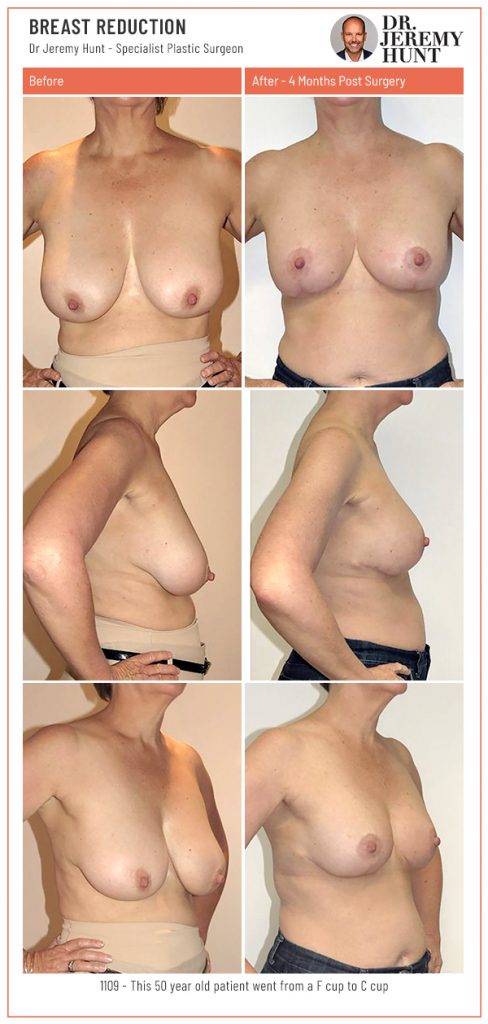
1109 Dr Jeremy Hunt best breast surgeon sydney

How long will the swelling last after breast reduction mammoplasty surgery?

  • Most of the swelling will be gone in about six months’ time after the breast reduction mammoplasty surgery. The residual swelling can linger on for a few months.

Can I skip on the compression garment after breast reduction mammoplasty surgery?

  • You shouldn’t if you don’t want your swelling to linger on for longer. Similarly, not wearing a compression garment will slow down the healing process. Hence, it is not recommended.

What kinds of bras are suitable to wear post breast reduction mammoplasty surgery?

  • You will be wearing a compression bra for the first four to six weeks after breast reduction mammoplasty surgery. Then, it is best to transition into a sports bra for a month. After that, you can wear any bra of your choice.

What foods should be avoided after breast reduction mammoplasty surgery?

  • Try to eat home-cooked meals as much as possible. Stay clear of salty foods as they can lead to prolonged swelling.

When will my incisions heal post breast reduction mammoplasty surgery?

  • Generally speaking, incisions heal around the third-week marker. However, everyone is different and might heal at a faster or slower pace.

When can I see results after breast reduction mammoplasty surgery?

  • You will be able to see a difference immediately after the surgery. Most of the swelling will be gone by the eight-week marker and you will be able to see the results. It is important to remember that the residual swelling will take some time to go away and might take a few months to subside.

Further Reading about Breast Reduction Mammoplasty Surgery

Medical References about Breast Reduction Mammoplasty

About Dr Jeremy Hunt – Specialist Plastic Surgeon

Dr Jeremy Hunt
Dr Jeremy Hunt is a specialist plastic surgeon performing breast, body, face and nose surgery. He is a member of FRACS & ASPS and has over 20 years of experience providing cosmetic and plastic surgery in Sydney.

Careful, considerate and honest, Dr Jeremy Hunt works with you to find a solution that is suitable for your body and your lifestyle. Every patient is unique and requires a personalised approach to reach their goals.

Dr Hunt has provided his one-on-one service and attention to detail to thousands of women and men from the Sydney & Wollongong NSW area and across Australia.

Dr Hunt’s qualifications and education

Dr Jeremy A. Hunt MBBS FRACS graduated with a Bachelor of Medicine degree from Sydney University in 1990 and is a Fellow of the Royal Australasian College of Surgeons and member of ASPS – the Australian Society of Plastic Surgeons. He completed a Fellowship at the University of Texas in the United States, where he learnt from well-established and experienced plastic surgeons.

Next Step – Make an Enquiry or Request a consultation with Dr Hunt

Want more information before scheduling your consultation?

If breast reduction mammoplasty is something you’re considering, Dr Hunt can thoroughly explain all the options to you in a one-on-one consultation.

Any surgical or invasive procedure carries risks. Before proceeding, you should seek a second opinion from an appropriately qualified health professional.

Saggy Breasts needing a lift? – An Internal Bra can help avoid Bottoming Out after Breast Surgery

Saggy Breasts needing a lift? – An Internal Bra can help avoid Bottoming Out after Breast Surgery

If you have breast ptosis or laxity, then you might be considering getting a breast lift, also called mastopexy surgery. An internal bra lift is a fairly new type of breast lift mastopexy that you should consider when doing your research. It can be done alone or combined with breast augmentation or reduction mammoplasty.

The internal bra lift is a mastopexy option for women who are seeking a particularly durable and significant breast surgery option. Your inner breast tissue is tightened, lifted, and supported with strong sutures. The deep tissue is reshaped in a hammock-like shape to hold the breasts up and keep them up. It’s like a breast lift mastopexy with extra support.

The term ‘internal bra’ is used commonly in breast surgery and involves multiple techniques to provide internal suspension much like a bra would to the breast. This will help ensure that in the longer term the effects of gravity are minimised and the result that was achieved immediately after surgery is more likely to be maintained over the years.

Dr Hunt prefers to avoid using foreign materials in an Internal bra lift mastopexy

Different techniques can be used that involved the use of your own tissue, potentially sutures or stitches as well as the use of a number of mesh-typed materials that include mesh made from dissolving suture material, mesh that is made from silk as well as using what is known as a dermal substitute.

The challenges of using foreign material are that delayed infection and rejection rate are high so Dr Hunt’s preferred technique is to use the patients’ native tissue to provide internal support in combination with a series of sutures. When patients are researching the internal bra technique, it is imperative that people understand what is being used to achieve the result and be comfortable with the use of that method or material.

Some surgeons use a silk mesh or a cellular dermal matrix (ADM) to create an inner hammock for support. However, Dr Hunt and Dr Maryam avoid these to reduce the risk of infection and breast deformity. Synthetic mesh is reserved for more complicated cases or breast revision cases.

What Is an Internal Bra Lift?

The outcomes shown are only relevant for this patient and do not necessarily reflect the results other patients may experience, as results may vary due to many factors including the individual’s genetics, diet and exercise.

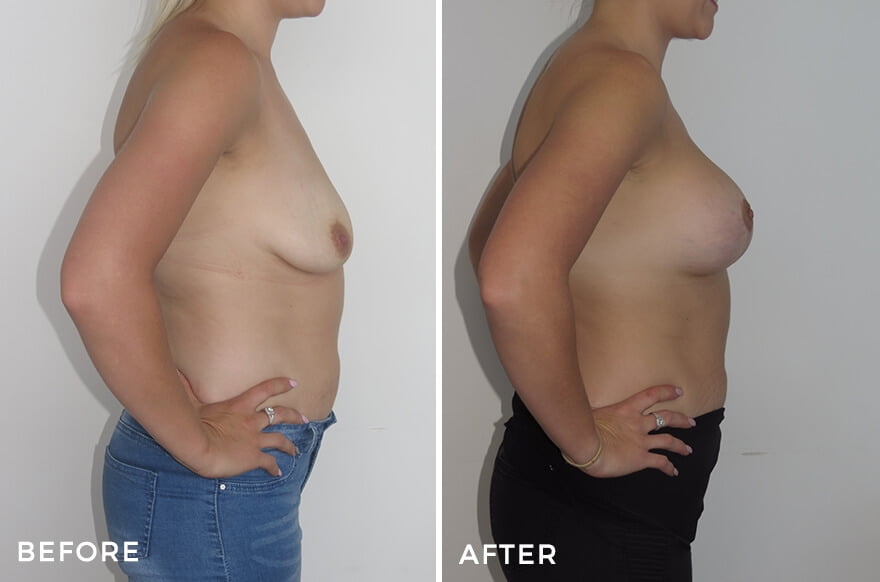
Breast Lift Sydney Dr Jeremy Hunt Before and After Photo - LIFT 11 Side

Internal bra surgery is a technique used to provide internal suspension to the breast tissue to maintain the results that are achieved in the short term into the longer term. It can be used in breast reduction mammoplasty, breast lift mastopexy, as well as breast augmentation mammoplasty and can involve manipulation of the breast tissue as well as internal sutures or the use of internal sling material.

An internal bra lift is a fairly new and innovative type of breast lifting technique (mastopexy). It can be done alone, through a periareolar incision, or as an add-on to other breast surgeries. It can be added to a traditional breast lift mastopexy, breast augmentation mammoplasty, or breast reduction mammoplasty. The internal breast fat and tissue are lifted, fixed high up with sutures, and held up with hammock-like support created from your own connective tissue.

The key feature of an internal bra lift is the hammock-like support. It is thought to delay breast ptosis and provide more durable results, as the tightened tissue holds the breasts up against gravity. As the name implies, it’s like having your breasts supported with a bra on the inside. The internal bra lift provides more long-lasting generally comparted to traditional mastopexy techniques.

An internal bra mastopexy can be done with any type of cosmetic breast surgery, with or without implants. If you get implants, then internal bra lifting helps reduce the risk of implants bottoming out. The suturing technique tightens the breast pocket around the implant, and the hammock holds it from below.

Dr Hunt and Dr Maryam both offer inner bra lift mastopexy surgery for their patients in Sydney, New South Wales. It might be combined with any other type of breast surgery, with or without implants.

Benefits of Internal Bra Lift Mastopexy

There are several advantages of internal bra lift mastopexy that make it a popular surgery among our breast surgery patients in Sydney, New South Wales.

It is important to note that not every patient is suitable for this procedure, and the benefits might not be the same for you as they are for someone else. But generally speaking, the benefits can include:

  • A breast lift that lasts longer
  • Less risk of implants bottoming out
  • More support at the inframammary fold to hold your breast shape and implants

Internal Bra Lift Mastopexy vs Traditional Breast Lift Mastopexy

An internal bra and traditional breast lift mastopexy are not necessarily mutually exclusive. The internal bra support can be added to a traditional breast mastopexy technique to maximise durability.

The internal bra lift mastopexy is considered to be more durable than traditional procedure. The inner tissue hammock provides extra support to the lower part of the breasts. It holds them up, counteracting the effect of gravity. This extra support at the inframammary line also helps prevent breast implants from bottoming out.

What is used for the Internal Bra?

The patients’ own breast tissue can be used to form an internal sling or internal bra and this is Dr Hunt’s preferred technique. This is then reinforced with dissolving sutures which will dissolve over 3 to 6 months by which stage the body’s own collagen has created its own internal bra support structures.

The outcomes shown are only relevant for this patient and do not necessarily reflect the results other patients may experience, as results may vary due to many factors including the individual’s genetics, diet and exercise.

 Sydney Internal Bra Lift Dr Hunt

Who Needs an Internal Bra Lift Mastopexy?

Regardless of the type of breast surgery you’re planning to get, an additional internal bra lift is worth consideration.

You’d be a good candidate for an internal bra lift if:

An internal bra lift mastopexy is a great add-on to any cosmetic breast procedure. It can be good for women who don’t have severe breast ptosis, yet still need significant lifting and breast support.

A good candidate for mastopexy, of course, needs to be in good general health. You will also have to quit smoking at least 4 weeks before your surgery to avoid any complications.

How Is an Internal Bra Lift Mastopexy Performed

The outcomes shown are only relevant for this patient and do not necessarily reflect the results other patients may experience, as results may vary due to many factors including the individual’s genetics, diet and exercise.

internal bra - how is it performed - Dr Huntinternal bra - How is it performed - Dr Hunt Sydneyinternal bra - How is it performed - Dr Hunt

Patient Case Study – Breast reduction mammoplasty with internal bra – F cup to D cup result 5 yrs post-surgery with maintenance of shape and elevation of the breast as it is supported internally by an internal bra of breast tissue

An internal bra lift mastopexy is done at the hospital, usually under general anaesthesia. This means that you will be put to sleep before the procedure and won’t feel anything during. The steps of the procedure depend on whether you are getting an internal bra lift alone or with another cosmetic breast procedure. Nevertheless, regardless of the combination, the surgical technique usually goes like this:

Through the breast incision, your plastic surgeon will release the breast skin from the underlying tissue. He or she will then manipulate the deeper layers, which include muscle, fat, and connective tissue. They will cut any excess tissue and tighten the rest. The connective tissue will be used to create hammock-like support that holds the breasts up in a high position. Your surgeon will then use strong sutures to fix everything to the chest wall.

After the breast is lifted to satisfaction, your surgeon will have to remove the excess breast skin. The skin is then tightened and the incision is closed with thin sutures.

Internal Bra Lift Mastopexy with Implants (Augmentation Mammoplasty)

If you’re getting implants with your internal bra lift (augmentation mammoplasty with mastopexy), then the implants will be inserted before the inner breast tissue is tightened. The breast tissue will be tightened around the bra to fix it in its place. An internal bra lift allows maximal support at the bottom pole of the breast implant.

Risks and Complications of Internal Bra Lift Mastopexy

Internal bra lift comes with the unlikely risk of complications. Some of the rare post-op complications that might occur with an internal bra lift include:

  • Wound infection (increased risk with synthetic mesh)
  • Loss of sensation around the nipples
  • Inability to breastfeed
  • Bleeding
  • Haematoma formation (blood collection)
  • Seroma formation (fluid collection)
  • Excessive scarring

Some of the long-term complications of internal bra lift and breast implants include:

  • Deformity due to fibrosis (especially with synthetic mesh)
  • Capsular contracture
  • Implant bottoming out (risk is less than with traditional bra lift)
  • Implant rupture
  • Implant malposition
  • Loss of sensation in part of the breast

To reduce the risks of internal bra lift mastopexy, even more, you should have a surgeon that is experienced in cosmetic breast surgery. Our surgeons, Dr Hunt and Dr Maryam have developed techniques to lift the breasts internally without a mesh. This is proven to reduce the risk of infection and breast deformity due to internal scarring.

Costs and Prices of Internal Bra Lift Mastopexy – How much is an Internal Bra Surgery?

drhunt blogpage img Saggy Breasts needing a lift? – An Internal Bra can help avoid Bottoming Out after Breast Surgery - 11

In all his breast surgery Dr Hunt provides this internal bra technique at no extra charge. Dr Hunt considers it a part of his surgical technique in all of his breast surgery cases.

Preparing for Your Surgeon Consultation

Your consultation will start with a few questions about your general health and your desired cosmetic goals. Expect Dr Hunt to ask you questions like:

  • What exactly is bothering you about your breasts?
  • What shape of breasts do you wish to have?
  • What size of breasts do you wish to have?
  • How important is a significant cleavage to you?
  • Do you have a problem with getting breast implants with your lift?
  • Do you have a problem with having a scar along the lower pole of your breast?

Then, Dr Hunt will examine your breasts to know exactly what can and cannot be done. He will then give you your options and you can discuss and choose a suitable surgical option together.

Internal Bra Lift Mastopexy FAQs – Questions about an Internal Bra

drhunt blogpage img Saggy Breasts needing a lift? – An Internal Bra can help avoid Bottoming Out after Breast Surgery - 11

Can you breastfeed after an internal bra lift (mastopexy)?

  • It is still very possible that you will still be able to breastfeed after an internal bra lift. Even though some of the milk ducts will be damaged, enough of them will stay intact so that you’ll be able to nurse your baby. Make sure you discuss this thoroughly with Dr Hunt before deciding on getting cosmetic breast surgery.

How long does an internal bra lift mastopexy last?

  • An internal bra lift is very durable. It can last up to 10 years or even more. Naturally, the breasts will still feel the effects of gravity as the years pass and you might choose to get breast revision surgery after a decade beyond your original procedure.

Can you get an internal bra lift mastopexy without implants?

  • You can get an internal bra lift with or without implants (augmentation mammoplasty surgery). In some cases, an implant will restore the lost breast volume. That’s why most women who choose to get an internal bra lift combine it with breast augmentation mammoplasty.

Is an internal bra lift better than a traditional mastopexy?

  • Each procedure has its strong points. An internal bra lift mastopexy can suit women who need moderate lifting but want to avoid a visible scar. A traditional “inverted-T” breast lift mastopexy, however, is more extensive. It allows more lifting and is hence a better option for women with severe breast ptosis.

How long does internal bra mastopexy surgery take?

  • The time for the procedure varies depending on your individual anatomy and the specific procedure that is being done. If you are getting breast augmentation mammoplasty with your breast lift mastopexy, then expect the procedure time to be longer – maybe 2 to 3 hours.

How do I keep my breast implants elevated?

  • The effect of gravity cannot be turned off after surgery and to support the breast tissue the surgeon will use the internal bra technique. The added support offered by external bra as appropriate size and fit in the longer term will aid the longevity of your breast surgery results. If you don’t wear a bra and offer support to the breast on a regular basis then the effects of gravity will be more extensive and the implant and breast tissue will tend to drop.

What is an inframammary incision?

  • Surgeons will call the fold underneath the breast the inframammary fold (IMF). When we placed a breast implant via an incision in this fold we term that incision location as an inframammary incision.

What does breast implant bottoming-out look like?

  • The challenge with breast augmentation mammoplasty surgery is that the skin envelope that contains the breast tissue now needs to carry the volume of the breast tissue and the breast implants. At times, the implant can slip from behind the breast tissue and descend below the fold underneath the breast and this creates the deformity known as a ‘double-bubble’. In other cases, the breast implant weight can create too much stretch on the lower pole of the breast with the appearance of the breast tissue descending below the nipple and the nipple appearing too high on the breast mound. The appearance is described as ‘bottoming-out’.

How do you fix bottom-out breast implant?

  • There are multiple techniques to address the bottoming-out of a breast implant and it certainly will require revisional surgery. The primary objective of the revisional surgery though will be to achieve the desired breast cup size for the patient and this may involve increasing the size of implant potentially decreasing the size of implant or using internal suspension techniques to support the implant. Revisional breast surgery is far more complicated than the initial implant insertion and needs to be specifically tailored to the patients’ needs as well as their tissue volume.

Will bottoming out get worse?

  • Once the process of bottoming out has begun it is a slow but steady descent of the implant. The only solution is to provide long-term external support to minimise the progression of bottoming out and the only way to correct the problem is through a surgical revision.

How do I keep my breast implants from dropping?

  • Support is the key to avoiding descent and dropping breast implants as well as natural breast tissue. Dr Hunt’s advice to his patients is that they continue to wear an appropriate size and fitted bra to offer external support to the breast in the longer term.

Are there internal stitches with breast augmentation mammoplasty?

  • Following a breast augmentation mammoplasty, a pocket has been created to place the implant. The lower portion of this pocket needs to be supported in the longer term by re-establishing an internal bra. The internal bra would involve sutures and stitches that will re-attach the ligaments and breast tissue to the chest wall to minimise the chance of bottoming out and double-bubble deformity.

Is an internal bra lift mastopexy painful?

  • The use of an internal bra technique does not increase the postoperative pain from my patients and this worthwhile procedure does not increase the length of recovery. Like any other surgery, an internal breast bra lift can be associated with a certain level of pain. In most cases, the pain is very well tolerated. Regular painkillers, like paracetamol, are usually enough to help you through a painless recovery.

Is breast mastopexy safer than implants?

  • Both breast implants (augmentation mammoplasty and a breast lift mastopexy have a similar risk profile. However, implants tend to bring along more long-term complications. This includes implant malposition, bottoming out, capsular contracture, and implant rupture.

When can you stop wearing a sports bra after breast augmentation mammoplasty?

  • In the short term after breast augmentation mammoplasty for approximately 6 weeks, Dr Hunt encourages his patients to wear a soft, non-structured no-wire bra. The sports bra allows freedom of movement as well as the resolution of swelling in the first six weeks. After the six-week period when swelling has resolved patients can purchase bras and at that stage, Dr Hunt would encourage them to use any form of bra that suits their lifestyle, needs and requirements.

Further Reading about Breast Surgery

Medical Sources about an internal bra and breast surgery:

About Dr Jeremy Hunt – Specialist Plastic Surgeon

dr jeremy hunt

Dr Jeremy Hunt is a specialist plastic surgeon performing breast, body, face and nose surgery in Australia. He is a member of FRACS & ASPS and has over 20 years of experience providing plastic surgery in Sydney.

Careful, considerate and honest, Dr Jeremy Hunt works with you to find a solution that is suitable for your body and your lifestyle. Every patient is unique and requires a personalised approach to reach their goals.

Dr Hunt has provided his one-on-one service and attention to detail to thousands of women and men from the Sydney & Wollongong NSW area and across Australia.

Dr Hunt’s qualifications and education

Dr Jeremy A. Hunt MBBS FRACS graduated with a Bachelor of Medicine degree from Sydney University in 1990 and is a Fellow of the Royal Australasian College of Surgeons and member of ASPS – the Australian Society of Plastic Surgeons. He completed a Fellowship at the University of Texas in the United States, where he learnt from well-established and experienced plastic surgeons.

Next Step – Make an Enquiry or Request a consultation with Dr Hunt

Want more information before scheduling your consultation?

If breast reduction mammoplasty is something you’re considering, Dr Hunt can thoroughly explain all the options to you in a one-on-one consultation.

Any surgical or invasive procedure carries risks. Before proceeding, you should seek a second opinion from an appropriately qualified health professional.
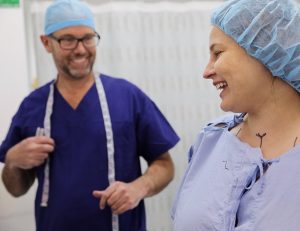
Case Study of Breast Reduction Mammoplasty Surgery #1

Case Study of Breast Reduction Mammoplasty Surgery #1

The Consultation for Breast Reduction Mammoplasty – Identify The Problem & Concerns

Case study of large breast for a patient who was a 21-year-old with HH cup breasts causing her back, neck and shoulder pain. The weight from her bra straps was creating dents in her shoulders which led to the hunching of her shoulders. The breast reduction mammoplasty surgery was the procedure recommended for her.

Dr Jeremy Hunt performs a Breast Reduction Mammoplasty Procedure

She had a bilateral breast reduction mammoplasty with removal of approximately 1kg of breast tissue from both the left and right sides in an attempt to reduce her preoperative HH cup to a more manageable C cup.

Reduction Mammoplasty Surgery: The Results

The patient now wears a C cup bra. Time and scar minimisation treatments can help reduce scars further.

The outcomes shown are only relevant for this patient and do not necessarily reflect the results other patients may experience, as results may vary due to many factors including the individual’s genetics, diet and exercise.

Breast Reduction Before and After

Large Breast Surgery - Breast Reduction Surgery Image

Large Breast Surgery - Breast Reduction Surgery Image Sideview

Further Reading – breast surgery Patient Case Study

About Dr Jeremy Hunt – Plastic Surgeon

dr jeremy hunt

Dr Jeremy Hunt is a specialist plastic surgeon performing breast, body, face and nose surgery in Australia.

He is a member of FRACS & ASPS and has over 20 years of experience providing cosmetic and plastic surgery in Sydney.

Careful, considerate and honest, Dr Jeremy Hunt works with you to find a solution that is suitable for your body and your lifestyle. Every patient is unique and requires a personalised approach to reach their goals.

Dr Hunt has provided his one-on-one service and attention to detail to thousands of women and men from the Sydney & Wollongong NSW area and across Australia.

Dr Hunt’s qualifications and education

Dr Jeremy A. Hunt MBBS FRACS graduated with a Bachelor of Medicine degree from Sydney University in 1990 and is a Fellow of the Royal Australasian College of Surgeons and member of ASPS – the Australian Society of Plastic Surgeons. He completed a Fellowship at the University of Texas in the United States, where he learnt from well-established and experienced plastic surgeons.

Next Step – Make an Enquiry or Request a consultation with Dr Hunt

Want more information before scheduling your consultation?

If breast reduction mammoplasty is something you’re considering, Dr Hunt can thoroughly explain all the options to you in a one-on-one consultation.

Any surgical or invasive procedure carries risks. Before proceeding, you should seek a second opinion from an appropriately qualified health professional.