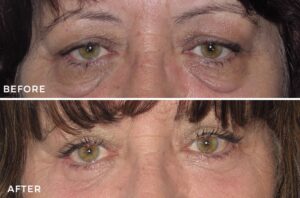
10 Things To Know About Blepharoplasty Surgery

10 Things To Know About Blepharoplasty Surgery

If you’re considering eyelid surgery (known as blepharoplasty), researching is an important first step. Although the surgery can have great results for many, it’s also a significant decision that should be made with deliberation. Awareness of both the pros and cons will help you gain perspective in deciding whether you want to go ahead. Read on to learn what you need to know about the procedure.

1. The different types of blepharoplasty

The first thing to know is that not all blepharoplasty surgeries are the same. Each surgery is tailored to the unique needs of the person, and they generally fall into two categories: upper and lower.

Upper blepharoplasty, as the name suggests, addresses the upper eyelids; and lower blepharoplasty targets the lower eyelids. You might choose one or the other, or even both, depending on your reasons for getting surgery. This brings us to point number 2:

2. The reasons for surgery

Before your consultation with a surgeon, you’ll need to have an idea of your reasons for pursuing surgery. This will set you up for a more productive conversation with your surgeon in which you can express your needs and get appropriate advice.

There are many reasons to consider this procedure, such as concerns about:

  • Excess eyelid skin that rests on the upper lashes
  • Low or descended brows
  • Excess skin or fat tissue on the lower eyelids
  • Obscured vision due to excess upper eyelid skin

3. How to prepare for your consultation

If you’ve considered your motivations and are still keen on surgery, it might be time to take the next step and book a consultation. A consultation with a qualified surgeon is a crucial step, as it facilitates communication between you and your surgeon so that you can be on the same page. You will be able to talk about your hopes and desires, as well as any fears or uncertainties. Your surgeon will then explain your options and help you through the decision-making process.

Preparing for your consultation might involve thinking carefully about your goals, and constructing a list of questions. Questions you might ask your surgeon include:

  • What can I achieve with this surgery?
  • Am I a good candidate?
  • What are my anaesthesia options?
  • What’s involved in aftercare and recovery?
  • What are the risks?

You may also ask the surgeon about his qualifications and experience, since this will help you decide if you want to choose that particular surgeon. Good surgeons should have no problem with providing their credentials to help you make that decision.

4. How to prepare for surgery

Preparation for surgery is something you’ll need to discuss with your surgeon. It might involve quitting certain habits such as smoking. You might also be advised to stop taking certain blood-thinning medications. You should follow any other instructions given by your surgeon, as they may pertain to your specific health and circumstances.

In general, it’s a good idea to stay fit and healthy, since the healthier you are, the greater will be your body’s ability to heal afterwards.

5. Who are suitable candidates

A suitable candidate should be aware of the potential risks of the surgery. They should also have an idea of, realistically, what can be achieved. Suitable candidates should be healthy, with no significant underlying conditions. Generally, blepharoplasty is suitable for people who have moderate or severe eyelid laxity. Someone with only mild skin laxity or ageing might like to consider non-surgical options first, before getting surgery. If in doubt, you can find out whether you’re a candidate by speaking one-on-one with a qualified surgeon such as Dr Jeremy Hunt in Sydney.

6. The costs involved

Before committing to getting blepharoplasty, you’ll need to think about the financial aspect. Costs are something every patient should think about and discuss with their surgeon in order to be fully prepared. Costs will depend, to some extent, on what exactly your surgery involves. A more in-depth surgery on both the upper and lower eyelids might be more costly than a less complex upper blepharoplasty.

7. What to expect during surgery

Another thing to think about is what to actually expect during surgery. There are some different anaesthesia options, such as general anaesthesia or local anaesthesia with sedation. Once this has taken effect, your surgeon will make incisions to remove the required excess tissue.

8. What to expect in recovery

Recovery is one of the most important things to consider. Expect to have some swelling and soreness. You’ll need to make the necessary preparations beforehand, like taking time off work, getting someone to drive you home, and having support around the house (especially if you have young children). The recovery instructions might include:

  • Sleep with your head elevated
  • Don’t rub your eyes
  • Stay hydrated
  • Take enough time to rest
  • Protect your eyes from sunlight
  • Report any concerning symptoms

You can read more about recovery here.

9. What results to expect

While surgery, in many cases, gives patients the outcomes they want, no surgery is perfect. A qualified surgeon will endeavour to give you an outcome that you desire, while preserving your health in line with medical practices. A big part of managing your expectations is to speak about what’s realistic with your surgeon. You should also be aware that results won’t be seen straight away, as you’ll need to undergo the healing process first.

10. Potential side effects

Among the reasons to consider blepharoplasty, it’s also important to know about the potential risks and side effects. You can somewhat mitigate risks by choosing a well-qualified surgeon and doing your due diligence in terms of preparation and aftercare. However, even if you do everything right, there will still be risks. These can include infection, anaesthesia complications, unwanted outcomes, poor scarring, and bleeding.

Reasons to choose Dr Hunt for blepharoplasty in Sydney

While your own research is important, the only way to truly know if blepharoplasty is an option for you is to speak to a blepharoplasty surgeon. When looking for a surgeon, you should ensure that you choose someone qualified, with a good track record of successful surgeries. Dr Hunt is a trained and certified plastic surgeon in Sydney, ready to share his knowledge to help you along your surgical journey. Get in touch with us to learn more.

Solutions For Hooded Eyelids

Solutions For Hooded Eyelids

Your eyelids do more than protect your eyes from dust, wind, and sunlight. They give your eyes their shape and appearance and can affect how your face looks.

There are several ways to alter the aesthetic appearance of hooded eyelids. Injectables, upper blepharoplasty, or a brow lift surgery can help address your upper eyelids. upper blepharoplasty, or a brow lift surgery can help address your upper eyelids.

If your hooded eyelid restricts your vision you may be able to claim a Medicare subsidy for eyelid surgery if you meet the strict criteria.

Dr Hunt and Dr Maryam perform surgical and non-surgical eyelid procedures in Sydney NSW.

What Are Hooded Eyelids?

Hooded eyelids, or ptotic eyelids, are eyelids that have extra folds of skin on the eyes. Droopy upper eyelids can obscure your eyesight. If your eyelid skin sags all the way down and covers the pupils, it can make your eyes narrower and block your peripheral vision.

What Causes Hooded Eyelids?

The cause of hooded upper eyelids can include:

  • Ageing: this is the most common cause of eyelid ptosis and hooded eyelid appearance. Your eyelids are constantly exposed to the effects of gravity, sun rays, and the constant movement of the eye blinking. That’s why, as you age, your eyelid skin starts to stretch and the muscles supporting it become weaker
  • Congenital (since birth): babies can be born with one or two droopy eyelids. This happens when the levator muscle that’s supposed to hold the eyelid up doesn’t develop properly
  • Eye injury: the nerves in the eye can become damaged if you get hit in the eye or if you wear eye contact for a long time
  • Eye surgery: you may get hooded eyelids after LASIK, cataract, or glaucoma eye surgery. But it’s usually temporary
  • Anti-wrinkle injections: it’s possible to get droopy eyelids as a consequence of anti-wrinkle injections if some of it affects the muscles that control your upper eyelids – a temporary complication called “Dropped Brow”
  • Underlying medical conditions: some of the common medical conditions that can cause droopy eyelids are: Myasthenia Gravis, eyelid tumour, eye infection, stroke, or a brain tumour

When Should Hooded Eyelids Be Treated?

Some people find the skin laxity of their eyelids barely noticeable and it is not bothering them.

For other people, saggy upper eyelids can become troublesome when they cause the following problems:

  • Aesthetic problems: lax skin of the eyelids can make your eyes look puffy and uneven. Also, squinting too much makes your eyes look smaller and more wrinkled. Moreover, a lot of people with hooded eyelids tilt their heads back while they’re speaking so they can see better.
  • Vision problems: if the eyelid drops too much, it can obstruct the pupils, block the vision, and make things look blurry
  • Dry eyes: saggy eyelids can’t keep your eyes as moist as they should be. This can make the eyes become dry and irritated
  • Headaches: eyelids that obstruct your vision can make you squint to see better. Squinting for a long period of time can strain the muscles around your eyes which can lead to headaches

Your surgeon will investigate if your eyes have an underlying problem especially if you noticed other symptoms like migraines and headaches since the hooded eyelids started.

How Do You Fix Hooded Eyelids?

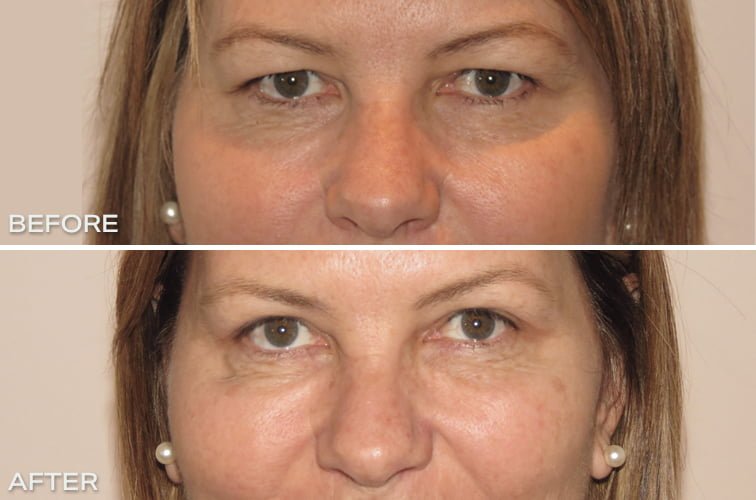
The outcomes shown are only relevant for this patient and do not necessarily reflect the results other patients may experience, as results may vary due to many factors including the individual’s genetics, diet and exercise.

Fixing Hooded Eyelids Before and After Dr Hunt Sydney

Sometimes, hooded eyelids resolve naturally on their own. Other times, it may need intervention.

There are surgical and non-surgical options to treat the undesirable look of the eyes depending on how severe the eye drooping is. Dr Hunt and Dr Maryam will assess the treatment option that will give you the best results.

Surgical Options for Hooded Eyelids

The surgical treatments for hooded eyelids can offer a more permanent solution for the sagging skin of the upper eyelid. Surgical eye lifting is considered the standard treatment for hooded eyelids. It offers more durable results. The options include:

1. Upper Blepharoplasty surgery

To address the eye appearance caused by lax skin of the upper lids, Dr Hunt and Dr Maryam perform a plastic surgery called upper blepharoplasty. Blepharoplasty is an efficient and durable solution for hooded eyelids. It provides more permanent results and an aims for improvement in appearance and vision.

During an upper eyelid lift (blepharoplasty), the levator muscle controlling the upper lid is tightened and the eyelid is lifted into the desired position. Your surgeon also can remove excess skin and fat from your upper eyelid.

Lifting the skin of the eyes can also improve your vision. Blepharoplasty surgery can also be done in children with lax eyelid skin to prevent lazy eyes.

2. Brow Lift surgery

An upper facelift (rhytidectomy), also called a forehead lift or brow lift, is another surgical treatment that can lift eyelids.

A brow lift involves lifting the deep forehead muscles and overlying skin to bring the whole upper face up. It can be done alone or in combination with a blepharoplasty to lift the eyelids and forehead together. This is usually done using an endoscopic technique through the same small incision above the eyelids. By lifting the forehead muscles, your surgeon can pull the eyelids in tandme. A brow lift can also get rid of eye wrinkles and smoothen the skin around your eyes.

The eyes are very delicate organs and the skin around them is one of the thinnest skin areas in your body. Dr Maryam and Dr Hunt have the training and experience in eyelid surgery that enables them to address your hooded eyelid problems.

Non-Surgical Methods to Help Address Hooded Eyelids

drhunt blogpage img Solutions For Hooded Eyelids - 1

If the concern is minimal, non-surgical treatments may provide good results. Treating lax skin of the upper eyelids without surgery can be done using:

1. Injectables – Anti-wrinkle Injections

An anti-wrinkle injections brow lift can be done by injecting products containing botulinum toxin into the skin surrounding your eyes. The substance relaxes the muscle that’s pulling your eyelids down. This relieves the heaviness from the eyes and allows your upper eyelid to lift back up. Anti-wrinkle injections can lift some of the lax skin and flatten wrinkles around your eyes.

2. Injectables – Dermal Fillers

Eyelid fillers are another non-surgical treatment that may offer fast results. It involves small injections of fillers, like Hyaluronic acid, into the upper eyelids or brow. The fillers aim to give your eyelids more volume and plump up their appearance. Hyaluronic acid and other eye fillers can help address certain areas on your eyes. However, their results aren’t permanent and you might need repeated injections to maintain the desired results.

3. Special Eye Glasses

Your doctor may recommend that you wear glasses with special crutches to deal with eyelid ptosis. The crutches can lift your eyelids to help you see and read better if you want to avoid eyelid surgery. Eyelid crutches are effective for temporary hooded eyelids that don’t droop too much.

4. Home remedies for Hooded Eyes

There are a few temporary home remedies you can try such as:

  • Teabags: chamomile tea bags are suggested as a common hooded eyelid natural remedy. The chamomile can reduce the inflammation around the eyes giving them a brighter appearance
  • Chilled cucumbers: the cooling effect of the cucumber can make your eyes look refreshed and energetic. Cucumbers also contain vitamin C and folic acid that can stimulate cell growth and help get rid of puffy and tired eyes naturally.
  • Iced water: the cold temperature can tighten the skin and effortlessly treat mild eyelid sagging

The outcomes shown are only relevant for this patient and do not necessarily reflect the results other patients may experience, as results may vary due to many factors including the individual’s genetics, diet and exercise.

eyelid surgery before and after - patient 006 - front view

What’s the Optimal Solution for Hooded Eyelids?

There isn’t one standard treatment for hooded eyelids. The best treatment for saggy eyelids will depend on your specific condition, if they’re causing you any vision problems, and what aesthetic goal you hope to achieve. If your upper eyelids are only of minor concern, anti-wrinkle injections or hyaluronic acid injections may be a suitable option for you.

You may benefit more from an upper eyelid lift (blepharoplasty) if you want a more permanent solution for the significant amounts of skin laxity of your upper eyelids. On the other hand, a brow lift may be more suitable for you if you have lax skin of the upper face and eyebrows that you’d like to lift. An upper facelift (rhytidectomy) can alter the appearance of your eyebrows and also address how your eyelids look.

During your consultation, Dr Maryam and Dr Hunt will give your eyes a thorough evaluation and plan an eyelid treatment option that is most suitable for your particular case.

Is It Possible to Prevent Hooded Eyelids?

Hooded eyelids are a natural process that happens with age. And although you cannot prevent it, you can still slow it down. Avoid things that make your eyes age faster like smoking, too much sun exposure, and staying up too late.

Getting early treatment for your hooded eyelids can help you prevent serious vision problems.

FAQs about Hooded Eyelids

drhunt blogpage img Solutions For Hooded Eyelids - 1

Can you lift the eyelids without surgery?

  • Although you could add volume to the eyelids and plump them without surgery using fillers or injectables, many aesthetic injectors recommend a plastic surgeon perform a Blepharoplasty when they can no longer use filler or anti-wrinkle injections to lift the upper eye.

Can hooded eyes cause headaches?

  • Hooded eyelids can drop down to the pupils and obscure your eyesight. As a result, you may have to constantly squint in order to see better. The constant squinting constricts the muscles around your eyes and forehead which can cause headaches.

Does weight gain cause hooded eyes?

  • As you gain weight, fat accumulates in different parts of your body. One of those parts can be your eyelids. Fat deposits may accumulate under the skin of your upper eyelids weighing them down. Consequently, the eyelids become heavy and droop over the eyes.

Are hooded eyelids uncomfortable?

  • The extra layers of skin that droop down can be heavy on the eyes and cause them discomfort. They can also make it harder for you to see, making you constantly tilt your head backwards even during a conversation. Moreover, saggy eyelids can make your eyes dry which can cause irritation and discomfort.

Further Reading about Surgical Solutions for Hooded Eyelids

Medical References about Correction of Hooded Eyelids

About Dr Jeremy Hunt – Plastic Surgeon

dr jeremy hunt

Dr Jeremy Hunt is a specialist plastic surgeon performing breast, body, face and nose surgery in Australia.

He is a member of FRACS & ASPS and has over 20 years of experience providing plastic surgery in Sydney.

Dr Hunt’s personal, one-on-one service and attention to detail has ensured that thousands of women and men from the Sydney & Wollongong NSW area and across Australia have received high quality surgical care.

Dr Hunt’s qualifications and education

Dr Jeremy A Hunt MBBS FRACS graduated with a Bachelor of Medicine degree from Sydney University in 1990 and is a Fellow of the Royal Australasian College of Surgeons and member of the Australian Society of Plastic Surgery. He completed a Fellowship at the prestigious University of Texas in the United States, where he learnt from some of the world’s very best plastic surgeons.

Next Step – Make an Enquiry or Request a consultation with Dr Hunt

Want more information before scheduling your consultation?

Any surgical or invasive procedure carries risks. Before proceeding, you should seek a second opinion from an appropriately qualified health professional.