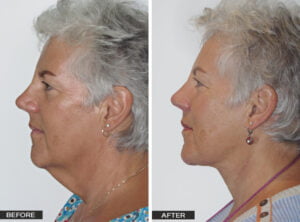
Does Neck Lift Surgery (Platysmaplasty) Leave Scars

Neck lift surgery, also known as platysmaplasty, is a procedure that involves tightening the skin and muscles in the neck using incisions made behind the ears and under the chin. It addresses aesthetic concerns such as descending skin and muscle banding. It can also be performed for medical purposes such as addressing discomfort, skin rashes, or recurrent skin infections due to excess skin folds in the neck. When considering neck lift surgery, one common concern among patients is whether the procedure will leave visible scars. While any surgical procedure involves incisions that can result in scarring, understanding how neck lift scars develop, where they are typically located, and the steps you can take to minimise their appearance is crucial for patients considering this procedure.

How Neck Lift Scars Occur

Neck lift surgery involves making incisions to remove excess skin, tighten underlying muscles, and reposition tissues. The placement of these incisions plays a significant role in determining the visibility of the resulting scars.

Typically, neck lift incisions are made behind the ears and sometimes under the chin, depending on the preferences of the surgeon. These locations are chosen to strategically hide the scars within the natural creases of the skin and behind the hairline. The length and placement of the incisions also depend on the extent of the procedure and patient goals. As the wound-healing process occurs, scar tissue forms in the incision sites.

Over time, the texture and appearance of your scars will change. They undergo a maturation process, which typically takes about a year. After this, your scars will become less noticeable. However, it is important to keep in mind that the visibility of neck scars can vary depending on several factors, including your skin type, age, genetics, and how well you follow post-operative care instructions.

Steps to Minimise Post-Surgical Scars

Although scars are an inevitable part of neck lift surgery, there are several steps that you can take to minimise their appearance:

Follow Post-Operative Care Instructions: Adhering to the aftercare instructions provided by the surgeon can help reduce the appearance of your scars by preventing complications. These include caring for your incision sites, applying the prescribed ointments, and avoiding certain activities during the recovery period.

Avoid Sun Exposure: Sun exposure can darken scars and make them more noticeable. This is because the ultraviolet rays from the sun increase the production of melanin, the pigment that gives colour to your skin. Increased melanin production can lead to hyperpigmentation or skin darkening. Make sure to use sunscreen with a high SPF, avoid prolonged sun exposure, and wear protective clothing when going outdoors.

Use Silicone-Based Products: Silicone sheets and gels are commonly prescribed to help reduce scar visibility. These products work by hydrating the scar tissue and regulating collagen production. Over time, the scars flatten and soften, making them less noticeable. However, it is recommended that you start these treatments once the incisions have fully healed to avoid interfering with the healing process and prevent irritation or infection in the still-healing wound.

Massage the Scar Area: Once your incisions have healed, the surgeon may recommend gently massaging the scar tissue using the appropriate techniques. Scar massage can help break down dense areas of collagen and improve blood circulation to the area. This is usually performed after the application of the prescribed gel or ointment.

Stay Hydrated and Maintain a Healthy Diet: Proper hydration and nutrition can help reduce the appearance of scars. A diet rich in vitamins, minerals, and proteins supports skin repair and collagen production. Collagen is an essential protein that helps maintain skin structure and elasticity. In addition, drinking two to three litres of water a day aids in scar healing by improving skin elasticity, flushing out toxins that can impede recovery, supporting better blood circulation, and delivering essential nutrients to the healing area.

Factors that can Affect the Healing of Scars

While there are steps you can take to reduce the appearance of neck lift scars, their ability to heal can be affected by several factors, such as:

Age: As we age, the skin loses elasticity, and the body’s ability to regenerate tissue slows down. This is because the production of collagen, an essential protein that helps maintain skin elasticity and structures, gradually decreases.

Skin Type and Genetics: Some individuals with certain skin types or genetic predispositions may be more prone to developing prominent scars, such as hypertrophic scars or keloids, which can affect the healing process of scars.

Lifestyle: Smokers are more prone to prominent scarring. This is because nicotine in cigarettes causes the blood vessels to constrict, thus reducing blood flow to the skin. This, in turn, impairs oxygen and nutrient delivery to the wound site, which can slow healing and result in thicker or more noticeable scars.

Wound Care: After a neck lift surgery, you will be provided with specific aftercare instructions, including proper wound care. Infections or inadequate wound care can cause delayed healing and increase the likelihood of more pronounced scarring. This is because infections can damage the healing tissue and cause more inflammation.

Sun Exposure: Prolonged exposure to the sun’s ultraviolet rays can darken scars by increasing the production of melanin, a pigment that gives colour to your skin and hair. The darkening of the skin or the area surrounding the scars is called hyperpigmentation.

Nutrition and Hydration: Proper nutrition, including sufficient intake of vitamins and proteins, supports the wound healing process by increasing collagen production and promoting skin repair. In addition, proper hydration increases blood flow, which aids in the delivery of essential nutrients and oxygen to the healing tissues.

Medical Conditions: Certain medical conditions like diabetes, autoimmune diseases, or blood-clotting disorders can affect the body’s ability to heal efficiently. Delayed wound healing can result in more prominent scarring.

Use of Certain Medications: Some medications, such as steroids or blood-thinning medications, can affect the normal wound healing process.

Reasons to Choose Dr Hunt for Facelift and Neck Lift Surgery in Sydney

Dr Jeremy Hunt is a Specialist Plastic Surgeon who is a Fellow of the Royal Australasian College of Surgeons (FRACS). He earned his Bachelor of Medicine and Bachelor of Surgery (MBBS) from Sydney University and further developed his skills by completing a Craniofacial Fellowship at the University of Texas in the United States. His qualifications are supported by his role as a spokesperson for the Australian Society of Plastic Surgeons and his positions as a Consultant Surgeon at both Sydney Children’s Hospital and Prince of Wales Hospital. Dr Hunt is also a member of the Australian Society of Plastic Surgeons (ASPS), the Australian Society of Aesthetic Plastic Surgeons (ASAPS), and the International Society of Plastic Surgeons (ISAPS). Additionally, he is a corresponding member of the American Society of Plastic Surgeons (ASPS), serves as the Supervisor of Plastic Surgery Training for the IMG Royal Australasian College of Surgeons, and is a past serving board member of Interplast Australia.

Dr Hunt conducts comprehensive pre-operative consultations to understand each patient’s unique goals and facial structure. During these consultations, he carefully explains the procedure, outlines the expected results, and discusses potential risks, including how scars will be managed. This approach ensures that patients are well-informed and prepared for their surgery.

He also provides comprehensive post-operative care to support patient recovery after neck lift surgery. This includes guidance on how to care for incision sites to promote proper healing and minimise scar visibility. Moreover, patients receive detailed instructions on wound care, scar treatment options, and lifestyle modifications to manage scarring.
Light-Guided Neck Sutures For Excess Neck Skin – Introducing MyEllevate

Light-Guided Neck Sutures For Excess Neck Skin – Introducing MyEllevate

Ageing comes with body and facial changes such as wrinkling and loose skin between the neck and jawline area. Cosmetic procedures like facelift (rhytidectomy) and neck lift (platysmaplasty) surgery have allowed us to reduce the signs of ageing via surgical removal of skin and excess tissue. These such procedures are invasive and require surgical incisions on the skin around the area to be treated. Because of how complex these procedures are, some people might choose not to undergo the process, even though they desire the results. Thankfully, there is a new procedure called MyEllevate that can be a less invasive alternative for those who do not want invasive surgery.

Dr Jeremy Hunt FRACS(Plas) is a Sydney Specialist Plastic Surgeon who has performed hundreds of face procedures. He is also a Key Opinion Leader (KOL) and a Surgeon Trainer for My Ellevate Australia – Cynosure.

Download Dr Hunt’s Guide to Facial Treatment

Facial Rejuvenation

What is MyEllevate

MyEllevate is a simple, less invasive procedure that can be performed by surgeons to target signs of ageing at the jawline and neckline. It is the only treatment so far that uses an ICLED suture surgical system.

Though they may target the same areas, MyEllevate is not to be confused with a neck lift, also called platysmaplasty. A platysmaplasty is a more invasive surgical procedure that requires the surgeon to make incisions, while MyEllevate only requires tiny, continuous needle punctures around the jawline.

With the help of an ICLED guided system, Dr Hunt uses a suture to lift the skin around the area below the jawline and neck to a higher position. This process of elevating the underlying tissues in the neck using sutures is also called “lacing up a shoe” as it works in a similar way.

Benefits of MyEllevate

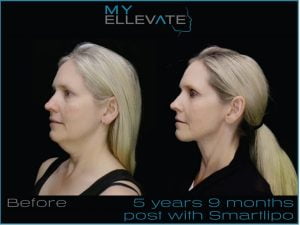
The outcomes shown are only relevant for this patient and do not necessarily reflect the results other patients may experience, as results may vary due to many factors including the individual’s genetics, diet and exercise.

myellevate benefits Light-Guided Neck Sutures For Excess Neck Skin – Introducing MyEllevate - 1

Besides the fact that this is a less invasive procedure than surgery, there are many other additional benefits of MyEllevate. The treatment can address concerns about loose skin around the neck and jawline, depending on what your goal is. You will have to book a session with Dr Hunt to discuss your goals and medical history.

MyEllevate is a non-surgical procedure. That means the recovery time is shorter compared to other treatments meaning that patients don’t have to wait as long before getting back into their normal routines.

The benefits might look different for each patient who undergoes the procedure, and you should also be aware of the risks that come along with it, such as bleeding, infection, scarring, and inflammation. Speak to Dr Hunt to find out if you could benefit from MyEllevate.

Who can get MyEllevate?

If you have recently embarked on a weight loss journey and you have excess skin under your jawline, then this could be a treatment option for you. Other candidates for MyEllevate are men and women with overall good health who have:

  • Early signs of ageing like jowls
  • A desire for a more defined jawline
  • Neck skin elasticity

This treatment is suitable for non-smokers, so smokers are advised to stop smoking four weeks prior to the treatment.

Recovery Time after MyEllevate

One of the reasons why MyEllevate is in demand is because the procedure is quick and so is the recovery time. The treatment takes 60 minutes, while recovery happens after 3 to 5 days of rest. During the recovery time, you may need to wear a chin strap or bandage.

Side effects include minor swelling, dimpling, discomfort, and tightness in the first few days. All effects are expected to subside within 3 days, while the results can often be visible for 5 to 7 years.

Results after MyEllevate

You might see a change immediately after the procedure is done, but the actual results will be seen once the swelling passes. The results can last for five years, but be aware that the treatment will not stop the natural ageing process.

What is the difference between MyEllevate and a neck lift platysmaplasty?

A neck lift platysmaplasty is a surgical procedure that usually requires a patient to go under sedation or general anaesthesia, while the surgeon makes surgical incisions to elevate the tissues. The incisions are made below the chin and behind both ears, and the surgeon uses these openings to tighten the muscles and tissue around the neck. Following this, excess skin is removed around the neck. Patients who undergo a neck lift (platysmaplasty) are usually cleared to get back to their daily activities 2 weeks after the operation.

MyEllevate is different because it is a procedure that does not require incisions or the removal of excess skin. Patients only need local anaesthesia and the healing process takes a few days after the treatment. Unlike a neck lift platysmaplasty, MyEllevate can be performed in the surgeon’s office, within an hour.

FAQs about MyEllevate

drhunt blogpage img Light-Guided Neck Sutures For Excess Neck Skin – Introducing MyEllevate - 2

Can the procedure be combined with other treatments?

  • Yes, you can opt to have MyEllevate as a stand-alone procedure or in conjunction with other treatments like chemical lipolysis or submental liposuction. Dr Hunt might recommend additional procedures depending on your aesthetic goals.

How painful is MyEllevate?

  • The procedure should not be painful as there are no incisions needed. Dr Hunt will also administer local anaesthesia to ease discomfort. A bit of soreness and swelling can be expected after the procedure, but this generally subsides quickly.

Can you get a deep plane facelift (rhytidectomy) if you’ve already had a MyEllevate treatment?

  • Yes. Getting a MyEllevate treatment doesn’t prevent you from getting any other cosmetic procedure in the future. Just make sure you inform your plastic surgeon about it. It will help them adjust their surgical techniques and your anaesthetic accordingly.

What age is too old for MyEllevate?

  • There isn’t an age limit for getting a MyEllevate treatment. Nevertheless, this procedure offers only minimal improvements for people with more advanced signs of neck aging. In this case, they might benefit more from a more extensive cosmetic procedure, such as a full neck lift platysmaplasty or a facelift rhytidectomy.

How can I make my MyEllevate results last longer?

  • As mentioned, the MyEllevate procedure can reduce signs of ageing on the neck, but it doesn’t stop your natural ageing process. However, there are things you can do to protect your skin, such as wearing sunscreen, staying hydrated, sticking to a healthy diet, and maintaining a healthy and stable weight.

Who invented MyEllevate?

  • Dr Gregory Mueller, FACS, is a board-certified plastic surgeon and the inventor of the MyEllevate® procedure and the ICLED® light guided suture system. He is knowledgeable in face and neck procedures and minimally invasive surgical techniques.

Further Reading about Non-Surgical Procedures

Medical References about MyEllevate Neck Treatment

About Dr Jeremy Hunt – Specialist Plastic Surgeon

Dr Jeremy Hunt

Dr Jeremy Hunt is a specialist plastic surgeon and a member of FRACS & ASPS. He has over 20 years of experience providing plastic surgery in Sydney.

Careful, considerate and honest, Dr Jeremy Hunt works with you to find a solution that is suitable for your body and your lifestyle. Every patient is unique and requires a personalised approach to reach their goals.

Dr Hunt has provided his one-on-one service and attention to detail to thousands of women and men from the Sydney & Wollongong NSW area and across Australia.

Dr Hunt’s qualifications and education

Dr Jeremy A. Hunt MBBS FRACS graduated with a Bachelor of Medicine degree from Sydney University in 1990 and is a Fellow of the Royal Australasian College of Surgeons and member of ASPS – the Australian Society of Plastic Surgeons. He completed a Fellowship at the University of Texas in the United States, where he learnt from well-established and experienced plastic surgeons.

Next Step – Make an Enquiry or Request a consultation with Dr Hunt

Want more information before scheduling your consultation?

If breast reduction mammoplasty is something you’re considering, Dr Hunt can thoroughly explain all the options to you in a one-on-one consultation.

Any surgical or invasive procedure carries risks. Before proceeding, you should seek a second opinion from an appropriately qualified health professional.

What is the Difference Between a Neck Lift (Platysmaplasty) or Lower Facelift (Rhytidectomy) Surgery?

What is the Difference Between a Neck Lift (Platysmaplasty) or Lower Facelift (Rhytidectomy) Surgery?

Over time, the contours of the neck and jaw may become less and less defined due to multiple factors such as the natural ageing process, gravity and even the genetic inheritance.

Neck lift (platysmaplasty) and lower facelift (rhytidectomy) are two procedures that aim to help reduce the appearance of jowls and create more definition in the lower half of your face.

Plastic Surgeon Dr Jeremy Hunt offers patients in Sydney and Wollongong the full spectrum of facial surgery.

What is a Lower Facelift (Rhytidectomy)?

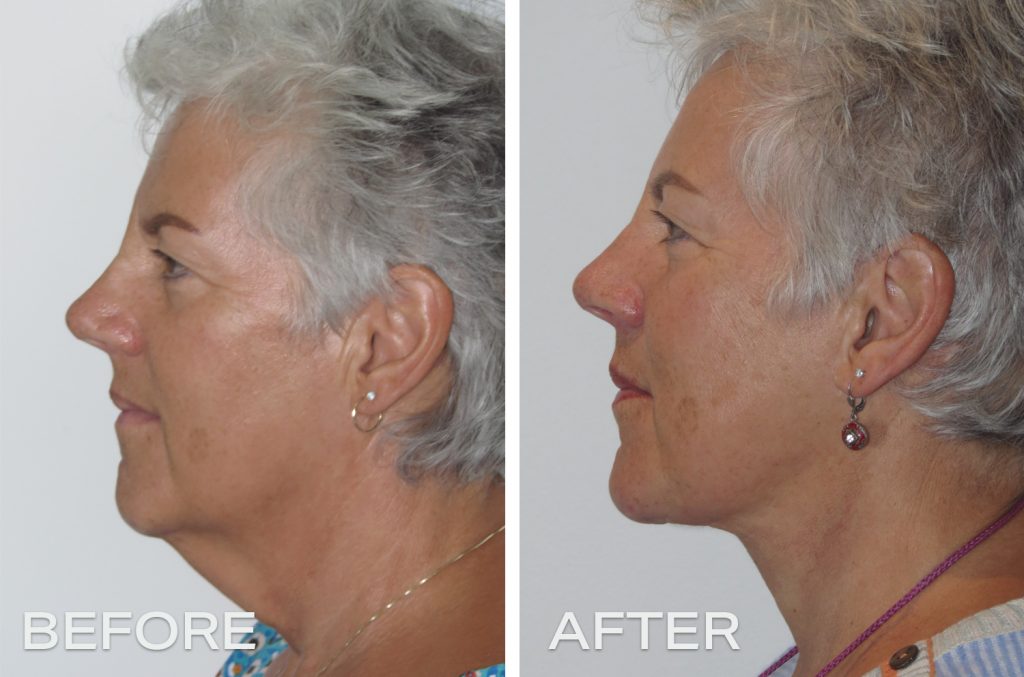
The outcomes shown are only relevant for this patient and do not necessarily reflect the results other patients may experience, as results may vary due to many factors including the individual’s genetics, diet and exercise.

What is neck lift or lower facelift - Dr Jeremy Hunt Leading Plastic Surgeon Sydney NSW

A lower facelift (rhytidectomy) is a surgical procedure aimed at addressing the jowls and the neck by repositioning skin and muscles. During the surgery, the upper part of your platysma muscles that extend from the upper chest over the collarbone and sides of the neck are adjusted. They are connected to a layer of firm tissue known as the fascia. Repositioning the skin, tissues, and fat pads into their original position instantly lifts the lower part of the face and neck along with reducing the appearance of nasolabial folds.

The procedure specifically targets laugh lines, sagging cheeks and loose jowls. Your surgeon will make an incision in the front of the ears, extending to the hairline. The surgeon will then pull the skin, fat tissue and platysma muscles into a lifted position to make your jawline a tight and lifted look.

What is a Neck Lift (Platysmaplasty)?

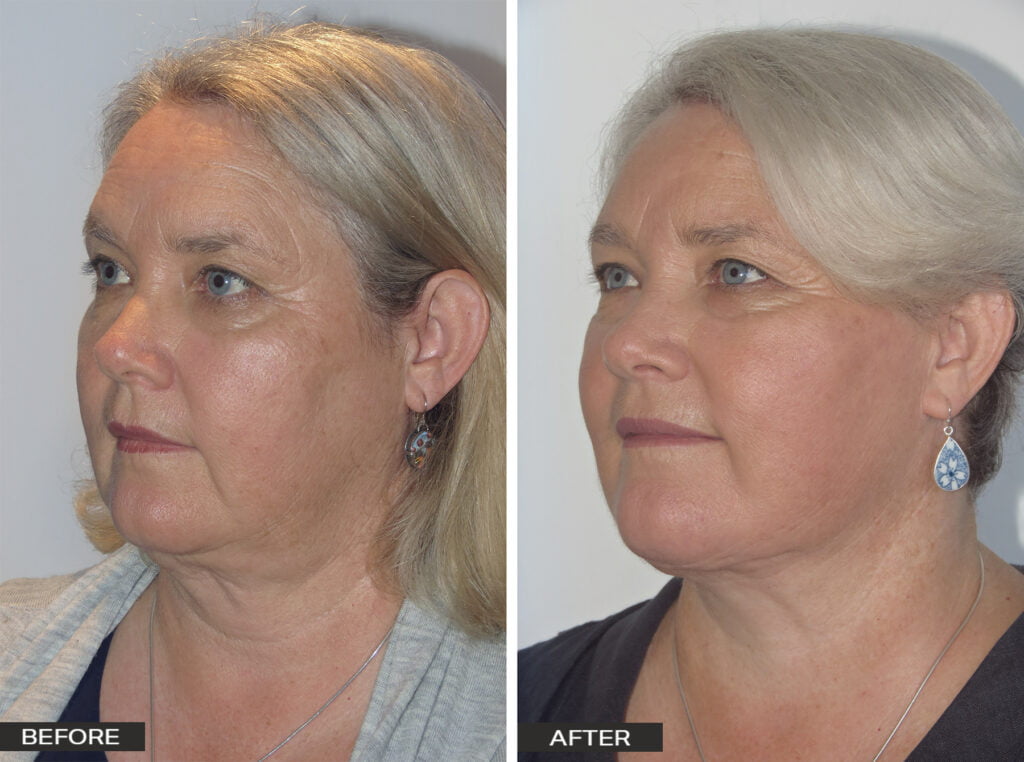
The outcomes shown are only relevant for this patient and do not necessarily reflect the results other patients may experience, as results may vary due to many factors including the individual’s genetics, diet and exercise.

female neck lift before and after - Dr Jeremy Hunt Leading Plastic Surgeon Sydney NSW

A neck lift (platysmaplasty) is a surgical procedure that is focused on addressing the skin of your neck. The incisions are typically made behind the ear, extending into the hairline. The surgeon will remove excess skin, and reposition the SMAS layer to give a different look to your neck. A neck lift or platysmaplasty, may be required if there needs to be significant improvement in the front of the neck.

If the patient had prominent bands on the neck, they will be addressed with a small incision under the chin during a neck lift (platysmaplasty) procedure. With age, the platysma muscles become separated and are responsible for creating two vertical bands that run from chin to chest. The neck lift allows the surgeon to sew these bands together.

If you wish to address your double chin (submental fat)along with a loose neck skin, a combination of neck lift (platysmaplasty) and liposuction is performed to remove excess fat and help to achieve a structured jaw. If the patient struggles with skin laxity, the surgeon will also perform skin removal during the procedure. For patients who struggle with excess skin laxity and wide separation of platysmal bands, your surgeon might suggest that you to undergo a lower facelift (rhytidectomy) and a neck lift (platysmaplasty) at the same time. This is due to the fact that it is nearly impossible to address the neckbands without addressing the jowls due to the continuity of face and neck muscle layers.

Main Differences between a Lower Facelift (Rhytidectomy) and a Neck Lift (Platysmaplasty)

While you will see these terms used interchangeably on the internet, there are clear differences between the two procedures. A neck lift (platysmaplasty) will not address any concerns associated with your jawline, jowls and only targets the neck. Another major difference is in terms of the incision. During the lower facelift (rhytidectomy), the surgeon will make an incision both in front of the ear and behind the ear. The incision will be extended higher to lift up the cheek area.

In the case of neck lift (platysmaplasty), the incision will be made around the ear and below the chin. In some cases when patients have minimal skin laxity, the neck lift can only be performed with the incision under the chin.

Guide to Facial Procedures

Facial Rejuvenation

Who are Suitable Candidates for a Neck Lift (Platysmaplasty) and Lower Facelift (Rhytidectomy)

Suitable Candidates for the Neck Lift (Platysmaplasty) Surgery:

  • You have platysmal bands on the neck
  • You have major skin laxity in the neck area
  • You have realistic expectations from the treatment
  • You do not smoke or can quit it for a specified duration
  • You don’t have any health conditions that can hinder the healing process

Suitable candidates for a Lower Facelift (Rhytidectomy) Surgery:

  • Someone who experiences sagging jowls but very minimal sagging on the neck
  • Patients who want to get rid of the laugh lines
  • Candidates who are in generally good health with no chronic illnesses
  • People do not smoke or can quit it for a specified duration
  • Someone who has realistic expectations from the treatment

It is important to note that sometimes the surgeon will recommend a combination of these two procedures to help you achieve the desired results.

When is Lower Facelift (Rhytidectomy) Surgery combined with Neck Lift (Platysmaplasty) Surgery?

Believe it or not, most neck lift (platysmaplasty) surgeries are coupled with a lower facelift (rhytidectomy) to achieve aesthetic and functional results on the neck and lower half of the face. This is done because neck lift (platysmaplasty) focuses on the neck region only. On the other hand, a lower facelift (rhytidectomy) primarily focuses on the lower half of the face.

By addressingf lax skin, repositioning underlying muscles, tissues, and underlying structures, the combination of both these procedures may provide a lifting effect while visibly minimising the signs of ageing. As a result, you may notice a change in the appearance of your chin and jawline, as well as nasolabial folds, cheeks, and neck wrinkles/bands.

Potential Risks of Neck Lift (Platysmaplasty) and Lower Facelift (Rhytidectomy)

drhunt blogpage img What is the Difference Between a Neck Lift (Platysmaplasty) or Lower Facelift (Rhytidectomy) Surgery? - 3

Like any other cosmetic surgery, lower facelift (rhytidectomy) and neck lift (platysmaplasty) carries some potential risks and complications. One of the main risks associated with both these surgeries is hematoma – a collection of blood under the skin. It is important to avoid all blood-thinning medications and herbal supplements that can lead to increased bleeding.

It is also advised to refrain from exercising and heavy lifting for at least four weeks post-surgery to reduce the risk of complications. Patients need to stop smoking for at least a few weeks before & after the surgery as it can lead to skin necrosis, prevent effective wound healing and even infection. Another less common but possible risk is injury to facial nerves.

Other risks, though all uncommon include facial asymmetry, bleeding, prolonged swelling, numbness, persistent pain, skin loss, skin irregularities and discolouration, hair loss along with the incision sites and unfavourable scarring.

FAQS about Neck Lift (Platysmaplasty) and Lower Facelift (Rhytidectomy) Procedures

Here is a list of frequently asked questions we get regarding neck lift (platysmaplasty) and lower facelift (rhytidectomy):

What is the difference between a mini facelift (rhytidectomy) vs neck lift (platysmaplasty)?

  • A mini facelift (rhytidectomy) is relatively less invasive than a full facelift (rhytidectomy) surgery. The surgeon will create incisions in front of the ears which extend from the hairline to the bottom of the earlobe and pull the skin and tissues towards the ears, helping to create a tighter appearance. A neck lift (platysmaplasty) is focused on altering the appearance of your neck, rather than the face. The surgeon will remove the excess skin along with tightening the neck muscles, tissues and skin.

What is a mini neck lift (platysmaplasty)?

  • A mini neck lift (platysmaplasty) is a surgical procedure that addresses lax skin in the neck and underneath the chin. A less invasive version of a neck lift (platysmaplasty).

How much does neck lift (platysmaplasty) and lower facelift (rhytidectomy) cost in Australia?

  • The cost of a lower facelift (rhytidectomy) and neck lift (platysmaplasty) in Australia varies significantly from surgeon to surgeon based on their experience, expertise, aesthetic goals, facility and plenty of other factors. Phone the team for an estimate.

Is a neck lift (platysmaplasty) the same as a lower facelift (rhytidectomy)?

  • Although you will see these two terms used interchangeably on the internet, these two are quite different procedures. The goal of the lower facelift (rhytidectomy) is to lift up the lower half of the face and sharpen the look of your jawline. On the other hand, a neck lift (platysmaplasty) aims to remove excess skin on your neck while tightening up your skin, tissues and muscles around the neck area.

Does a lower facelift (rhytidectomy) include the neck?

  • No, a lower facelift (rhytidectomy) does not include a neck lift. However, in some cases, the surgeon might recommend you to get both these procedures done at the same time.

Can I see neck lift (platysmaplasty) and lower facelift (rhytidectomy) before and after photographs during the consultation?

  • Of course, once you come in for a consultation, you will be shown plenty of before and after patient photographs, so you can get a better idea of what your results will look like.

before and after neck lift or lower facelift - Dr Jeremy Hunt Leading Plastic Surgeon Sydney NSW

How long do the results last?

  • Expect the results to last for around 10 years or more. You may need another facial surgery in future.

At what age should you get a neck lift (platysmaplasty)?

  • There is no magic number when it comes to getting neck lift (platysmaplasty) surgery. However, most people who get the surgery are between 35 to 65 years old.

What is the right age to have a facelift (rhytidectomy)?

  • There is no right or wrong age to get a facelift (rhytidectomy) done. Most people who get the facelift (rhytidectomy) are in their 40s, 50s, and 60s.

Does a neck lift (platysmaplast) get rid of jowls?

  • While neck lift (platysmaplasty) can improve the look of jowls, patients with moderate to severe jowls could benefit more from a combination of different facial procedures rather than only a neck lift (platysmaplasty).

What is the right neck tightening procedure?

  • A neck lift (platysmaplasty) might be the optimal neck tightening procedure that completely transforms the look of your neck.

Further Reading about Neck Lift (Platysmaplasty) and Lower Facelift (Rhytidectomy) Surgery

Medical References about Neck lift (Platysmaplasty) and Lower Facelift (Rhytidectomy)

About Dr Jeremy Hunt – Specialist Plastic Surgeon

dr jeremy hunt

Dr Jeremy Hunt is a specialist plastic surgeon performing breast, body, face and nose surgery in Australia. He is a member of FRACS & ASPS and has over 20 years of experience providing plastic surgery in Sydney.

Dr Hunt’s personal, one-on-one service and attention to detail has ensured that thousands of women and men from the Sydney & Wollongong NSW area and across Australia have received high quality surgical care.

Dr Hunt’s qualifications and education

Dr Jeremy A Hunt MBBS FRACS graduated with a Bachelor of Medicine degree from Sydney University in 1990 and is a Fellow of the Royal Australasian College of Surgeons and member of ASPS – the Australian Society of Plastic Surgeons. He completed a Fellowship at the prestigious University of Texas in the United States, where he learnt from some of the world’s very best plastic surgeons.

Next Step – Make an Enquiry or Request a consultation with Dr Hunt

Want more information before scheduling your consultation?

Any surgical or invasive procedure carries risks. Before proceeding, you should seek a second opinion from an appropriately qualified health professional.

Surgical and Non-Surgical Solutions for Excess Neck Skin

Surgical and Non-Surgical Solutions for Excess Neck Skin

As you grow older, your neck also starts to age. The neck muscles become weaker and your skin loses some of its elasticity. As a result, you may end up with wrinkled and excess skin on your neck. Although neck ageing is a natural process, some people may choose to get a cosmetic treatment to reduce ageing signs in this area.

Treatments such as neck lift, or platysmaplasty, surgery require a skilled plastic surgeon with a lot of training in aesthetic surgery.

Plastic Surgeon Dr Hunt has extensive experience in facial and neck surgery. He offers patients in Sydney and Wollongong several surgical and non-surgical options.

Plastic Surgeon Dr Maryam Seyedabadi consults at the Woollahra clinic in East Sydney and is available now for consultations on a range of plastic surgery & cosmetic surgery.

What Causes Loose Neck Skin?

Excess skin around the neck is the result of a natural ageing process. With time, the skin on your neck starts losing the proteins responsible for making your skin strong and flexible, called collagen and elastin. The skin then begins to lose its ability to tighten and stay firm.

This is usually accompanied by other age-related changes, such as:

  • Loose skin on the front of the neck
  • Platysmal bands on the neck
  • Excess skin around the lower jaw (jowling)
  • A less defined angle between the face and neck
  • Descent of cheeks

Patients typically start noticing these natural changes in their late 30s or early 40s. But they can also occur at a younger or older age depending on your genetics, sun exposure, and smoking habits.

Several options can help you if you are concerned about these aesthetic changes. Dr Hunt and Dr Maryam provide their patients with customised recommendations and approaches depending on their age and the degree of skin laxity.

What Are the Ways to Reduce Excess Neck Skin?

When it comes to cosmetic neck treatments, there are a wide range of options. If you’re concerned about the appearance of your neck, physically healthy, and aware of the risks, you might consider one of the following options.

1. Full Facelift (Rhytidectomy) Surgery – Deep Plane or Traditional Rhytidectomy

The full facelift (rhytidectomy) can be suitable for people with moderate to severe signs of facial and neck ageing. A full or traditional rhytidectomy, can be performed as a SMAS lift or a deep plane facelift (rhytidectomy).

This option can present some great benefits for many people. But it’s not for everyone. Before you choose to get rhytidectomy or facelift surgery, you’ll need to talk about your medical history with an experienced surgeon. You’ll also need to weigh the pros and cons. For example, the procedure can create a dramatic change in your facial appearance, but it also involves an extensive recovery.

A facelift usually includes a neck lift to also reduce the loose skin on the neck and along the jawline. Dr Maryam and Dr Hunt have extensive experience in performing both of these surgeries.

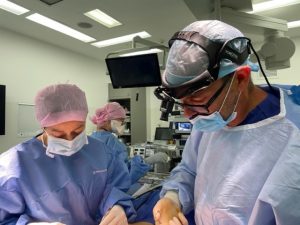
Dr Maryam 8 in theatre Surgical and Non-Surgical Solutions for Excess Neck Skin - 4

2. Mini Facelift or Rhytidectomy Surgery

A mini face rhytidectomy (also called S-lift, mini-lift, or short scar facelift) is a facial surgery that deals with less severe signs of facial ageing, focusing more on jowls than neck skin.

The mini-lift rhytidectomy is often the preferred procedure for people with wrinkles and loose skin concentrated in the lower part of the face. It can address both the upper neck and jowls. If you have mild to moderate signs of facial ageing, a mini rhytidectomy might be for you.

The benefits are different for everyone. But in general, compared to the traditional procedure, the benefits of the S-lift (rhytidectomy) include:

  • Being less invasive
  • Leaves a smaller scar
  • Has a quicker healing time after surgery

In contrast, you should consider the following:

  • The cosmetic results are not as dramatic
  • It does not address the ageing signs in the upper face
  • It does not address wrinkles in the lower neck
  • Not suitable for severe excess neck skin

3. Neck Lift Platysmaplasty Surgery

Neck lift, platysmaplasty, or lower rhytidectomy are all names of a procedure done to remove excess tissue from the neck. A neck lift (platysmaplasty) can treat cosmetic concerns about the neck and chin area.

During a platysmaplasty, all the muscles and soft tissue are pulled up to a higher position and tightened. The excess skin is then removed and the incision is closed.

Although the procedure can be great for people who want to reduce their excess neck skin, a disadvantage is that it does not address the facial skin and can involve a long recovery time.

The outcomes shown are only relevant for this patient and do not necessarily reflect the results other patients may experience, as results may vary due to many factors including the individual’s genetics, diet and exercise.

Patient 8 necklift Surgical and Non-Surgical Solutions for Excess Neck Skin - 5

4. Mini-Neck Lift (Platysmaplasty)

A mini neck lift (platysmaplasty) is another neck procedure. Also known as submental platysmaplasty or single incision neck lift, a mini-neck lift removes excess neck skin right under the chin.

The single incision platysmaplasty surgery can work for people who are mainly unsatisfied with the way their necks look. It is performed to remove a small double chin.

This procedure offers a smaller scar than traditional platysmaplasty, but it does not treat more severe cases of excess neck skin.

5. Thread Lifts

A thread lift is a non-surgical procedure that lifts and tightens the face using temporary sutures under the skin. It’s suitable for people with less prominent signs of ageing.

A thread lift procedure uses threads to pull up and straighten the stretched skin in your face. These threads, inserted under the skin, dissolve after a few months. During this time, the collagen production in your face is stimulated.

Advantages:

  • Less downtime than surgery
  • Local anaesthesia can be used instead of general anaesthesia
  • No surgery and no scars
  • Costs less than a facelift

Disadvantages:

  • Does not fix severe signs of skin laxity
  • Does not drastically change your appearance
  • Less permanent results than a facelift (rhytidectomy)

6. Facial Injectables

Injectables, or dermal fillers, are volumising substances injected into the skin. These dermal fillers are used to volumise specific facial areas depending on the desired results. They are often used to treat the early signs of ageing in the face and neck.

drhunt blogpage img Surgical and Non-Surgical Solutions for Excess Neck Skin - 6

Injectable dermal fillers include hyaluronic acid (HA), calcium hydroxylapatite (CaHA), Poly-L-lactic Acid, Polymethylmethacrylate (PMMA), and autologous fat injections. These gel-like substances can:

  • Treat the fine lines around the neck and face
  • Add volume to areas such as the cheeks
  • Treat facial asymmetry

However, they:

  • Offer temporary results
  • Can’t remove excess skin
  • Can’t treat severe ageing signs

The administration of dermal fillers by a non-health professional or by self-injection can have dangerous complications. Find an experienced cosmetic surgeon to perform your injections.

7. Facial and Neck Tightening Devices

Skin tightening devices are non-surgical alternatives for the face and neck surgery. They target and treat cosmetic concerns through the thermal energy waves. These waves can heat up the fluids in the deeper layers of your skin. This stimulates the production of collagen.

Skin tightening devices can involve:

  • Radiofrequency waves (RF therapy)
  • Ultrasound waves (Ultherapy)
  • Near-infrared (NIR)

If you’re not ready yet for surgery, these treatments can help reduce mild signs of ageing. However, some patients have been disappointed with the temporary and poor results of these treatments.

What is a Good Way to Treat Excess Neck Skin?

One size does not fit all when it comes to the most effective treatment for excess neck skin. Different people show different degrees of ageing. The choice between surgical and non-surgical anti-ageing procedures is a personal choice and it comes down to your goals and desired results.

The surgical options

If you have moderate to severe signs of ageing, your option would probably be one of the surgical treatments. A face lift (rhytidectomy) and a neck lift (platysmaplasty) can treat severe skin laxity around the face and neck. The procedures can target multiple areas and aesthetic concerns at once. However, they will require extensive healing time and may result in scars.

The non-surgical options

drhunt blogpage img Surgical and Non-Surgical Solutions for Excess Neck Skin - 6

If you have localised minimal signs of skin ageing, then other nonsurgical treatments might help you. Treatments such as threads, injectables, and other facial devices can address mild skin laxity, wrinkles, and fine lines. However, they’re milder treatments that don’t give dramatic results.

There isn’t one right way to correct skin laxity that can apply to all people. Dr Hunt and Dr Maryam will recommend an approach for you depending on your anatomy, the extent of loose skin, age, health, and desired outcomes.

drhunt blogpage img Surgical and Non-Surgical Solutions for Excess Neck Skin - 6

FAQS on Neck Laxity

What age does neck skin laxity start?

  • Most people notice their necks begin to wrinkle in their early 40s. But you can get excess neck skin earlier depending on your skin’s elasticity, sun exposure, and smoking habits.

Will losing weight help with the appearance of the neck?

  • Losing weight can help reduce unwanted fat around the neck, but it won’t get rid of loose or excess skin.

Is neck lift surgery (platysmaplasty) permanent?

  • A neck lift (platysmaplasty) surgery can’t stop the ageing process. But, if performed by a skilled plastic surgeon, a platysmaplasty can offer long-lasting results. This also depends on the patient’s health and lifestyle.

Further Reading about Face and Neck Procedures:

Medical References about Neck Treatment

About Dr Jeremy Hunt – Specialist Plastic Surgeon

dr jeremy hunt

Dr Jeremy Hunt is a specialist plastic surgeon performing breast, body, face and nose surgery in Australia. He is a member of FRACS & ASPS and has over 20 years of experience providing plastic surgery in Sydney.

Careful, considerate and honest, Dr Jeremy Hunt works with you to find a solution that is suitable for your body and your lifestyle. Every patient is unique and requires a personalised approach to reach their goals.

Dr Hunt has provided his one-on-one service and attention to detail to thousands of women and men from the Sydney & Wollongong NSW area and across Australia.

Dr Hunt’s qualifications and education

Dr Jeremy A. Hunt MBBS FRACS graduated with a Bachelor of Medicine degree from Sydney University in 1990 and is a Fellow of the Royal Australasian College of Surgeons and member of ASPS – the Australian Society of Plastic Surgeons. He completed a Fellowship at the University of Texas in the United States, where he learnt from well-established and experienced plastic surgeons.

Next Step – Make an Enquiry or Request a consultation with Dr Hunt

Want more information before scheduling your consultation?

If breast reduction mammoplasty is something you’re considering, Dr Hunt can thoroughly explain all the options to you in a one-on-one consultation.

Any surgical or invasive procedure carries risks. Before proceeding, you should seek a second opinion from an appropriately qualified health professional.